The UK Government and aviation industry have today set out significant progress towards decarbonising air travel, as Minister for Aviation, Maritime and Decarbonisation Keir Mather MP launched the Jet Zero Taskforce’s first annual report at the Sustainable Skies World Summit.
The report highlights the major milestones achieved in 2025 through close collaboration between the government, industry, and academia, marking a shift from planning to delivery in the UK’s net-zero aviation strategy.
Speaking at the summit, Keir Mather MP said the Government shares the industry’s ambition for “truly sustainable skies”: “The progress we are making is encouraging, but we must be clear eyed that there is still a long way to go on this journey, and there are real challenges ahead, but there are enormous opportunities too.
“The green transition is not only about protecting our planet, but also about strengthening our economy and our resilience. In an uncertain world, energy security has never been more important, and that is why we must keep building momentum, boosting the production and deployment of SAF, backing technological renovation, improving efficiency, and building robust carbon markets.”
Central to progress is the introduction of the UK’s Sustainable Aviation Fuel (SAF) Mandate in January 2025, which requires fuel suppliers to blend SAF starting at 2% and rising to 10% by 2030. The policy is expected to cut emissions while supporting a domestic SAF industry. The Government has also advanced a Revenue Certainty Mechanism to unlock private investment and awarded £63 million through the Advanced Fuels Fund.
Industry has responded with increased SAF supply, new production facilities and partnerships such as Project Speedbird, alongside financial incentives from airlines and airports to accelerate uptake. Advances in zero-emission flight have also been made, including expansion of the Hydrogen Challenge programme and nearly £240 million in joint funding for next-generation aerospace technologies. Operational improvements, including the creation of a UK Airspace Design Service and more efficient aircraft spacing, are already delivering emissions reductions and improved performance.
The report also highlights progress on long-term solutions, including frameworks for greenhouse gas removals (GGRs) and carbon capture, alongside new research and trials to tackle non-CO₂ impacts such as contrails.
Complementing the report, Sustainable Aviation announced a £2 million “Advanced Market Signal” initiative to help scale the GGR market, with members committing to purchase carbon removal credits. The sector estimates it will require 20–30 million tonnes of removals annually by 2050.
Sustainable Aviation also outlined steps to address non-CO₂ emissions, including improved real-time data, targeted SAF use, smarter flight paths, and closer scientific collaboration.
Duncan McCourt, Chief Executive of Sustainable Aviation, said: “The UK aviation industry is working hard to address its climate impact.
“Scaling Greenhouse Gas Removals is essential for hard-to-abate sectors, and this Advanced Market Signal is the aviation industry acting now to help stimulate the growth of the GGR sector.
“We have also made clear today that the aviation industry supports action to address the non-CO₂ impact of aviation. By accelerating research, trials, and collaboration, we can deliver practical solutions that reduce aviation’s full climate impact.”
Taking place 17-18 March 2026, Sustainable Skies World Summit convenes the global aviation community and provides a platform for collaboration, innovation, and concrete action toward achieving the industry’s Net Zero goals.
Registration is still open, and the event is free to attend. Register here.
Catch-up on the latest aviation and sustainability trends, with our 2026 sustainability news wrap for January. brought to you in partnership with Aerospace Global News (AGN). AGN is an official media partner for Sustainable Skies World Summit 2026, taking place 17-18 March 2026.
New technology could turn industrial carbon emissions into jet fuel
RMIT researchers have developed a carbon-conversion system that could allow industrial emissions to be recycled into key inputs for future low-emissions aviation fuel.
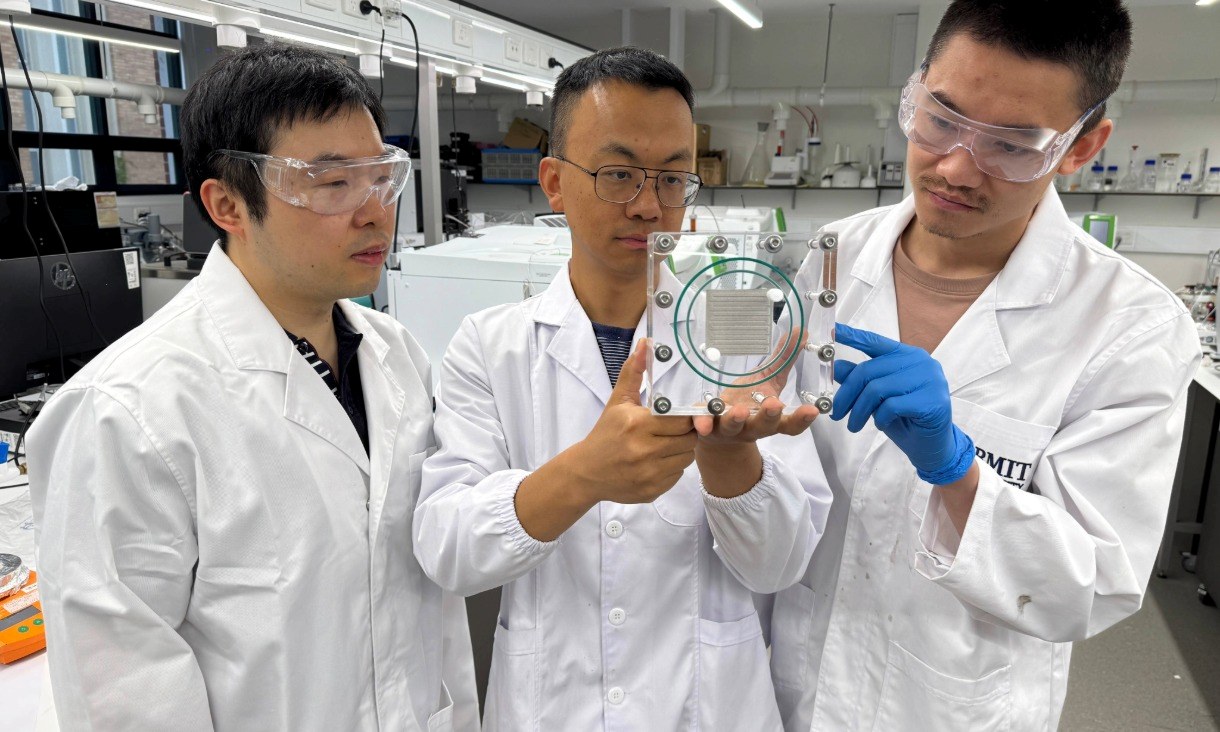
Photo: RMIT
Learn more the carbon-conversion system that combines carbon capture and conversion into a single, integrated process.
Sustainable aviation fuel production pathways explained
There are multiple pathways to produce low-emission, fossil-free fuels that can help curb environmental emissions from aviation.
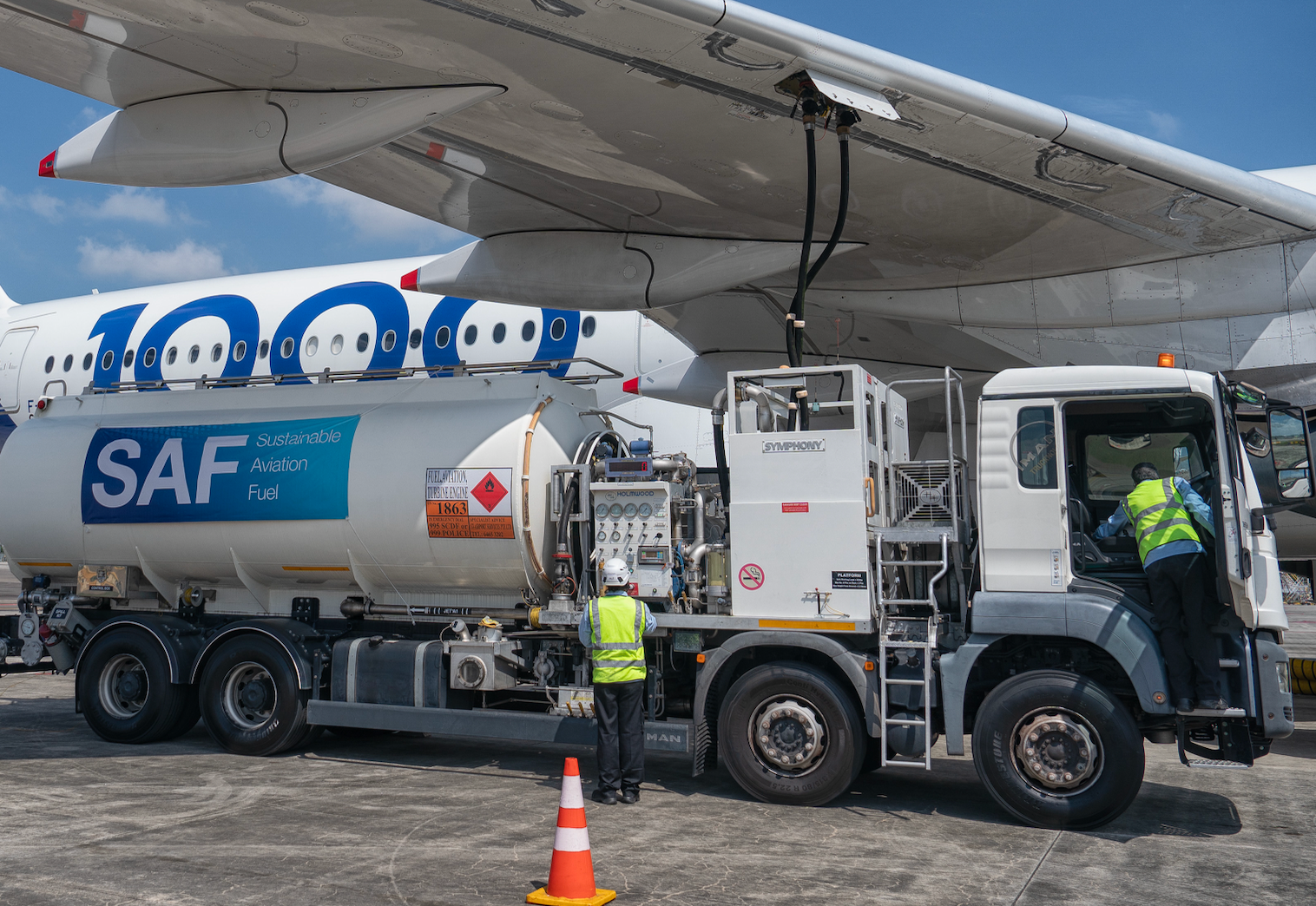
Photo: Airbus
Read more about the different SAF pathways.
Europe urged to act on winter contrails as aviation’s quickest climate win
A new European analysis warns that winter and night-time flights create a disproportionate share of aviation’s climate warming through persistent contrails.

Photo: Philippe | stock.adobe.com
Find out more about the study highlights.
NASA advances laminar flow wing technology that could cut airliner fuel burn by 10%
Engineers at NASA’s Armstrong Flight Research Center in California have completed a high-speed taxi test of the Crossflow Attenuated Natural Laminar Flow concept, using an F-15B research aircraft as a flying laboratory.
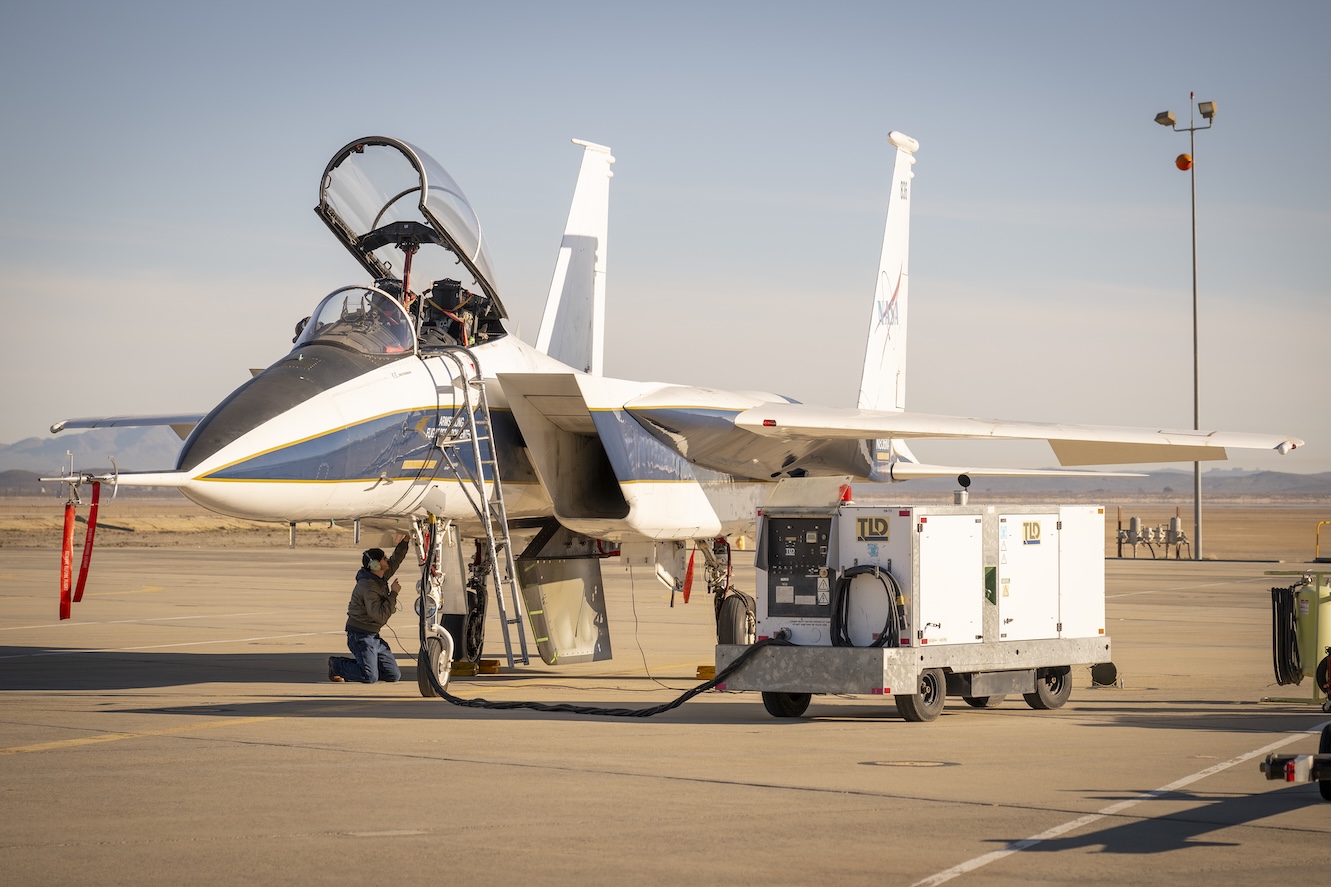
Photo: NASA/Christopher LC Clark
Learn more about how this test could represent a significant step forward for airlines
From seat covers to SAF: how Wizz Air is pursuing its sustainability goals in 2026
With sustainability in aviation continuing to take centre stage in 2026, how is Europe’s Wizz Air employing green initiatives to expedite its pursuit of net zero?
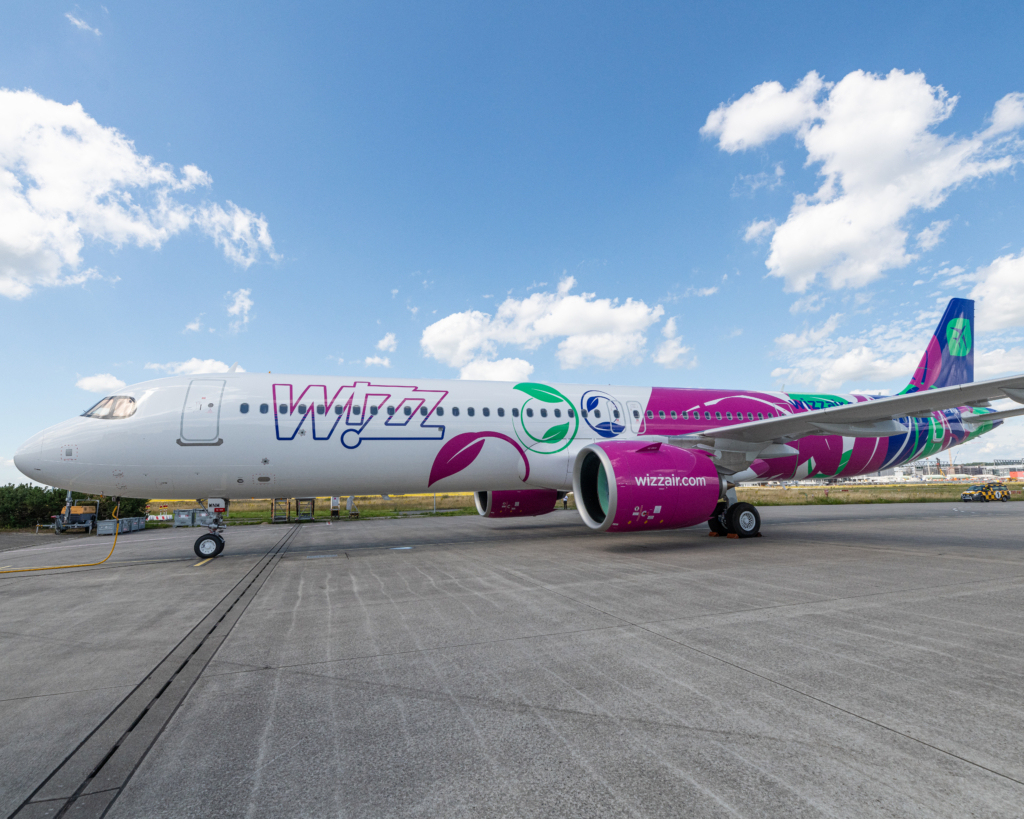
Photo: Wizz Air
Read more about what Aerospace Global News discovered from their day with Wizz Air.
Here’s the top sustainability stories from December 2025, brought to you by Aerospace Global News (AGN). AGN is an official media partner for Sustainable Skies World Summit 2026, taking place 17-18 March 2026.
Archer Aviation unveils full details of its proposed Miami metropolitan area air taxi network
The eVTOL developer is partnering with major real estate companies across Miami to bring public air taxi flights to the Sunshine State in 2026.
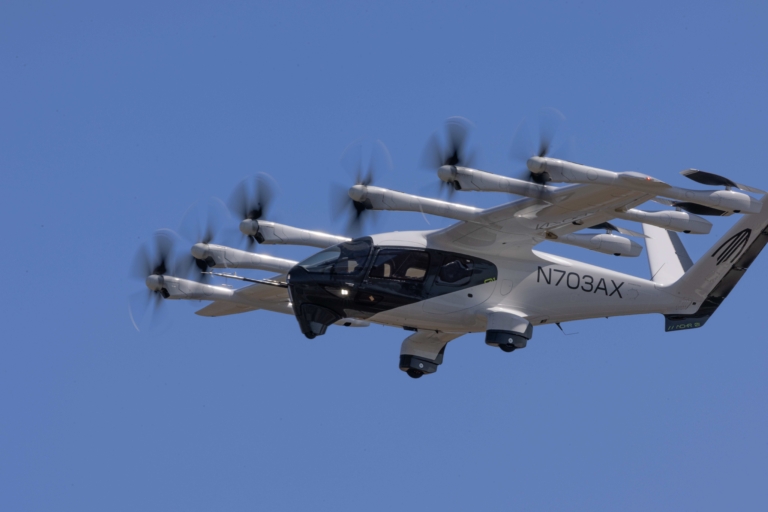
Photo: Archer Aviation
Read more about Archer’s newly unveiled plans.
Airlines advance wake-energy formation flight trials across Atlantic in Airbus fello’fly project
By positioning a following aircraft in the upwash region of a leading aircraft’s wake, aircraft operators could ultimately reduce fuel burn by up to 5 percent, Airbus says.

Photo: Airbus
Learn more about the flight trials.
Europe’s 1st commercial eSAF plant moves closer to reality as Metafuels selects McDermott for Rotterdam project
One of Europe’s leading SAF innovators, Metafuels, has awarded construction firm McDermott a front-end engineering and design (FEED) contract for its synthetic sustainable aviation fuel (eSAF) plant in Rotterdam.
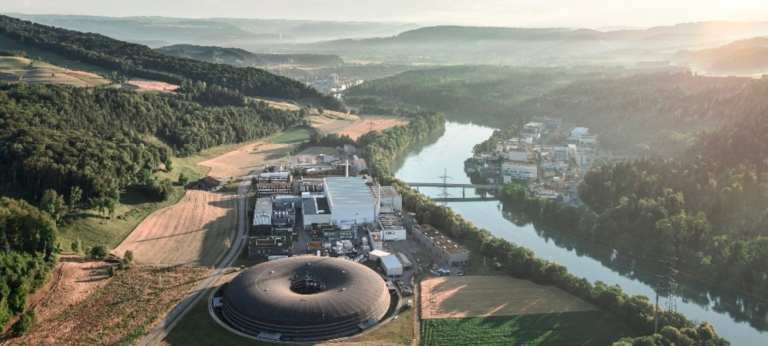
Photo: Metafuels
Read more about the new contract.
Ready for Africa: How Deutsche Aircraft’s D328eco is positioned for the world’s toughest aviation market
With passenger traffic forecast to rise sharply and much of the continent still reliant on ageing turboprops, Africa is heading into a pivotal fleet-renewal cycle.
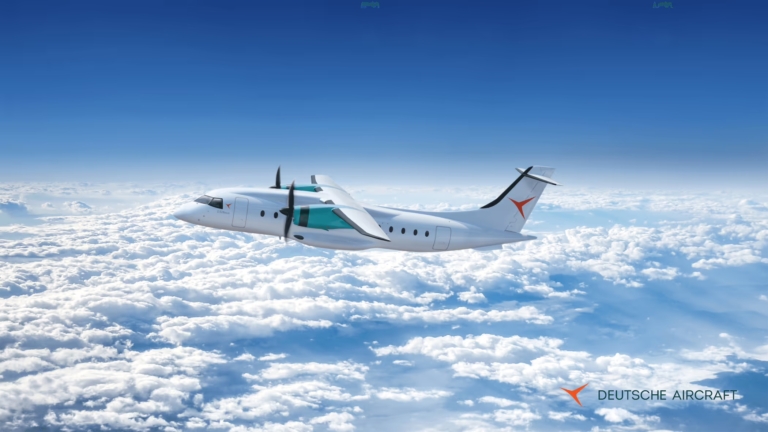
Photo: Deutsche Aircraft
Read more Africa’s pivotal fleet-renewal cycle.
Airline waste: What happens to uneaten meals from commercial flights?
Dealing with leftover meals is not as simple as just tossing leftovers in the bin. There are strict rules based on safety, cost and sustainability that guide what can be reused and what has to be thrown out.

Photo: Porter Airlines
Read more about what happens to uneaten meals from commercial flights.
Catch up on the latest aerospace sustainability news from November 2025, brought to you by Aerospace Global News (AGN). AGN is an official media partner for Sustainable Skies World Summit 2026, taking place 17-18 March 2026.
Rolls-Royce and British Airways test how SAF use can minimise climate impact of contrails
Rolls-Royce, British Airways, Imperial College London, and Heathrow Airport have launched a UK research project to study how Sustainable Aviation Fuel can help reduce the climate impact of contrails.

Photo: Pexels
Read more about the initiative and how targeted use of SAF could reduce contrails.
Europe launches €3 billion plan to scale up sustainable aviation fuel production
The European Union has announced a €3 billion investment to accelerate sustainable aviation fuel production, expand research, and strengthen Europe’s leadership in green aviation. The initiative forms part of the Sustainable Transport Investment Plan and aims to meet ambitious ReFuelEU targets.
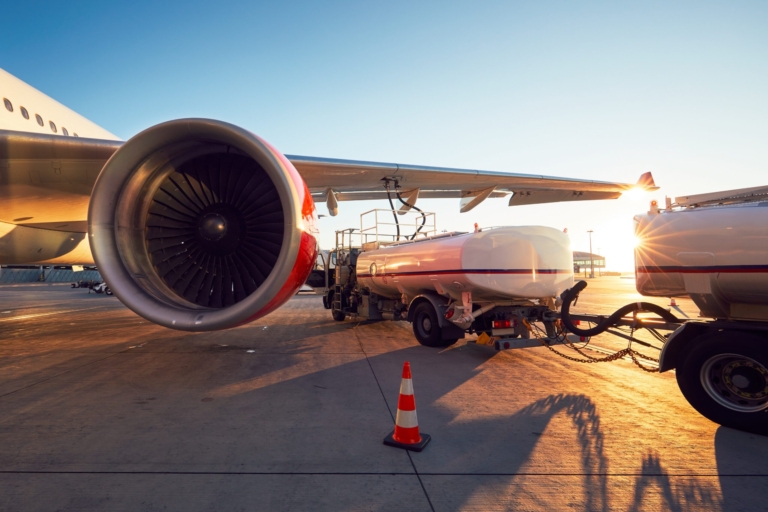
Photo: World Energy
Learn more about this major funding boost for SAF.
LanzaJet brings ethanol-to-jet sustainable aviation fuel to commercial scale
LanzaJet has reached a global milestone with the first commercial-scale production of ethanol-to-jet Sustainable Aviation Fuel. The breakthrough marks a decisive shift, offering a new, scalable pathway for global SAF supply as mandates tighten.

Photo: LanzaJet
Read more about the next wave of SAF production.
The fuel burn no one talks about: How electric taxiing could cut emissions faster than SAF
Airlines burn up to one-fifth of their fuel on the ground. With SAF still scarce, a new electric taxi system backed by major US carriers could offer a faster, simpler way to cut emissions.
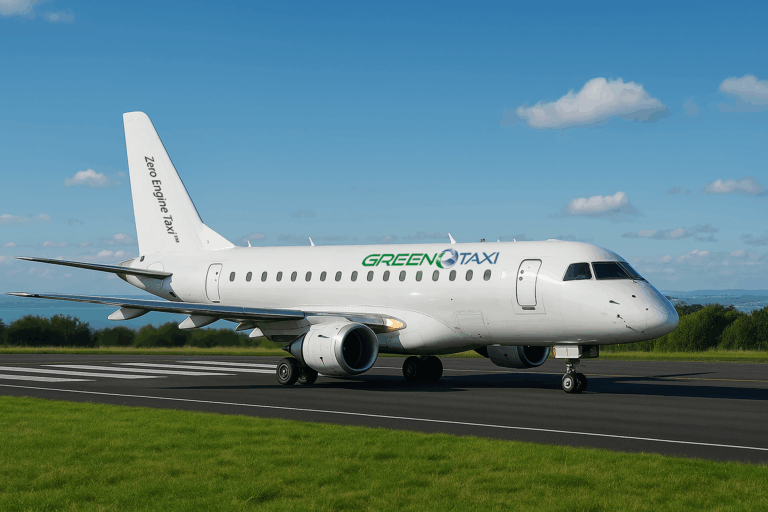
Photo: Green Taxi
Read more about how electric taxiing might be the fastest way to cut emissions this decade.
What is a jet stream and how does it affect aviation?
A jet stream is a narrow, fast-moving band of air current located high in the Earth’s atmosphere. When flying with a jet stream, aircraft will speed up and can cut down on flight times, saving on fuel and improving efficiency.

Photo: Delta Air Lines
Read more on how pilots and operators navigate these jet streams.
Explore the latest news stories from the world of sustainable aviation. Brought to you by Aerospace Global News, the Official News Partner for Sustainable Skies World Summit 2026.
Which European airlines use the most Sustainable Aviation Fuel?
IBA’s October 2025 Sustainability Watch reveals which European airlines are leading in sustainable aviation fuel adoption as new EU mandates approach.
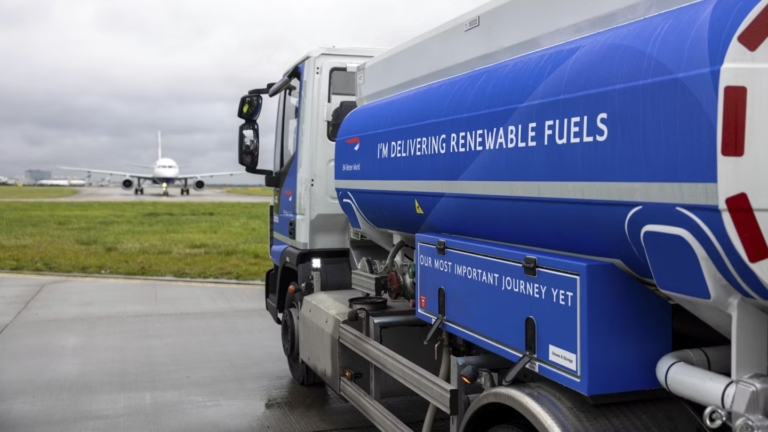
Photo: British Airways
Read more
Turning seawater into jet fuel: How the US Navy aims to fuel its aircraft from the ocean itself
The US Navy is testing revolutionary technology to turn seawater into jet fuel, potentially allowing its aircraft carriers to generate their own JP-5 fuel at sea and fly indefinitely without tankers.
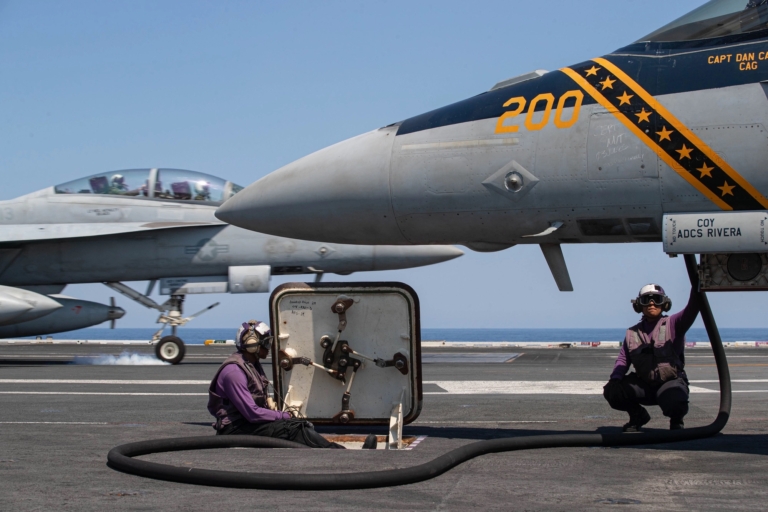
Photo: US Navy
Read more
How advancements in protective coatings can enhance turbine engine efficiency
Rare earth-based protective coatings are developed to reduce thermal loading of turbine engine components.
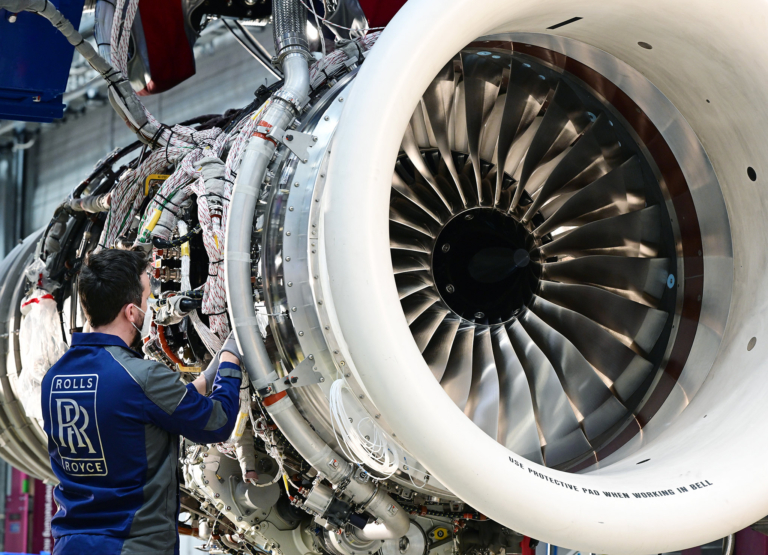
Photo: Rolls-Royce
Read more
EASA’s first annual SAF snapshot reveals scale of uptake across EU airports
European Union airports’ use of Sustainable Aviation Fuels (SAF) in 2024 avoided roughly 714,000 tonnes of CO₂ – the equivalent of about 10,000 return flights between Madrid and Paris – according to a new report from the European Union Aviation Safety Agency (EASA).
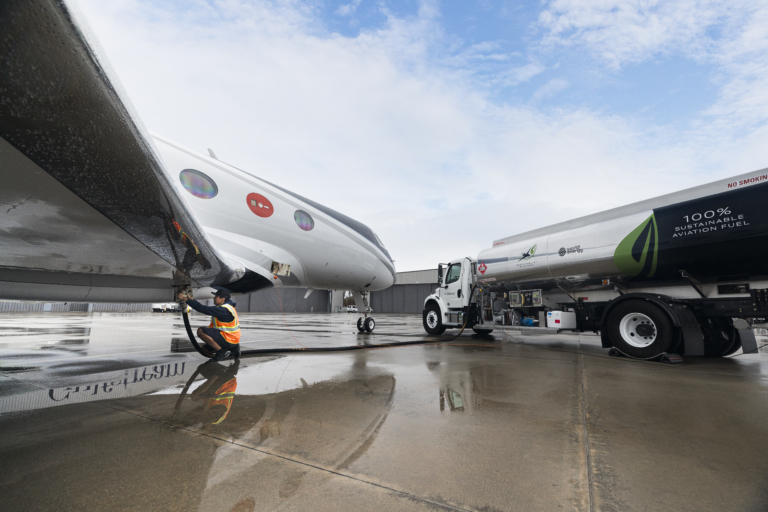
Photo: Gulfstream
Read more
Three aircraft participate in the first all-electric Pulitzer Trophy air race
Three all-electric aircraft competed for the Pulitzer Prize Trophy at a special event held in Ohio earlier in October. Each of the crewed aircraft took part in a competition to revive the old aviation tradition of air racing.
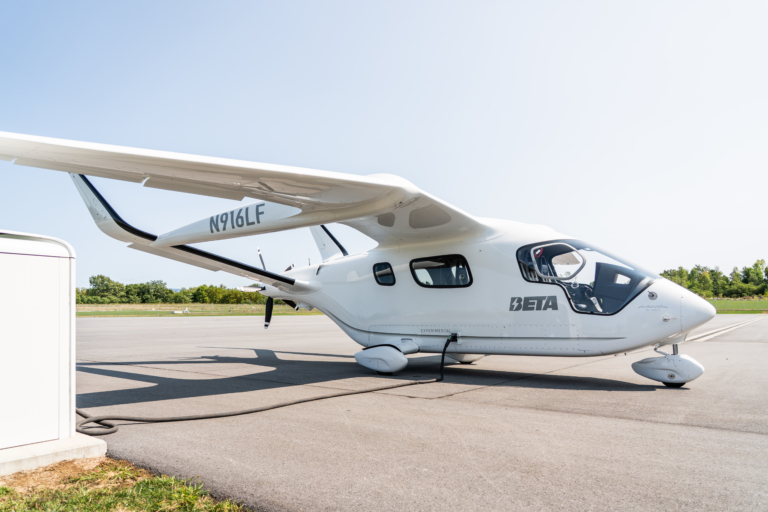
Photo: BETA Technologies
Read more
In partnership with Aerospace Global News, the Official News Partner for Sustainable Skies World Summit 2026, check out the latest sustainability news wrap from the world of aerospace. From sustainable airports to hydrogen innovations, here are the top stories from September 2025.
EU selects ATR to lead low-emission regional aviation projects
ATR, developer of hybrid-electric propulsion technology, has been chosen by the European Union’s Clean Aviation Joint Undertaking to lead a project aimed at shaping the next generation of low-emission regional aircraft.
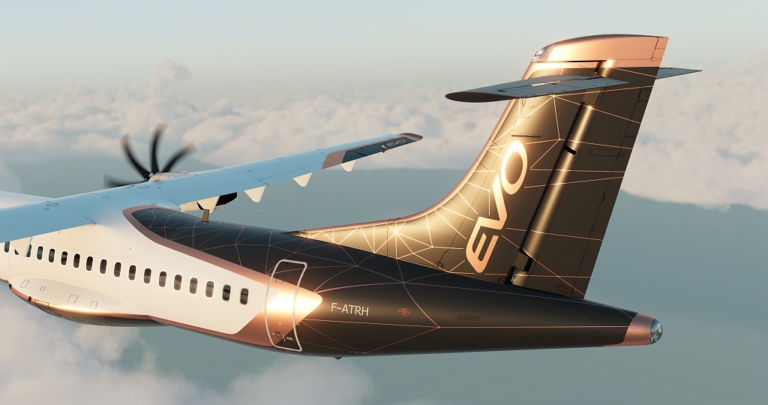
Photo: ATR
Learn more about the project and their goal of flying the world’s first hybrid-electric regional aircraft by 2030.
Read more
NASA’s MAGEQ Project
MAGEQ is part of NASA’s wider Earth science programme, which relies on coordination between satellites, aircraft, and researchers worldwide.

Photo: NASA
Read more about what the project set out to achieve, the different aircraft involved and what data they have uncovered.
What is CFM RISE? Inside GE and Safran’s open fan engine for net-zero aviation
Backed by GE and Safran, the CFM RISE programme is pushing open fan technology to deliver 20% greater fuel efficiency and lower emissions.
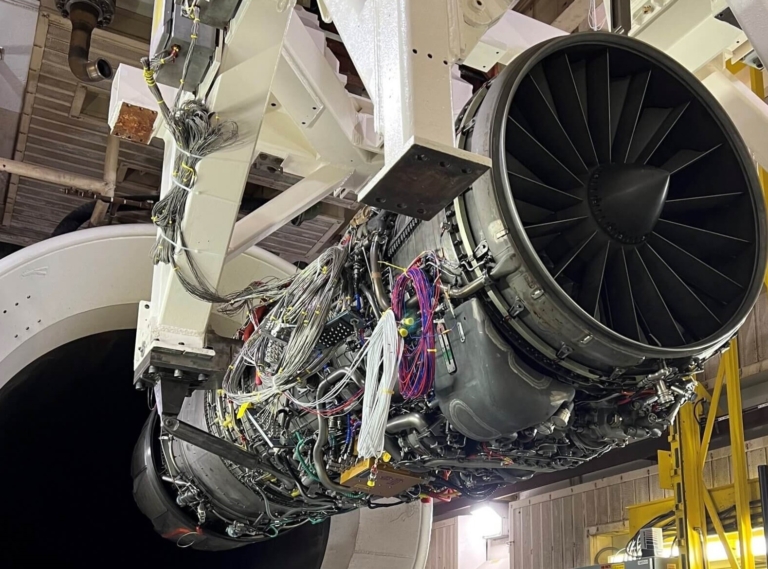
Photo: GE Aerospace
Discover how the programme can offer a range of technological solutions to help the aviation industry reach Net-Zero targets.
Read more
Why contrails could be key to climate neutral growth – for now
With the focus on CO2 emissions typically dominating headlines and industry conversations, the impact of contrails is often overlooked.

Photo: Pexels
Learn more about contrails, including how they are formed, avoidance measures and the overall aviation climate strategy.
Read more
Delta Partners with Maeve Aerospace to advance hybrid regional aircraft
Delta joins Maeve Aerospace to develop the hybrid-electric MAEVE Jet, aiming to cut regional flight fuel use by 40% as part of its net-zero goals.
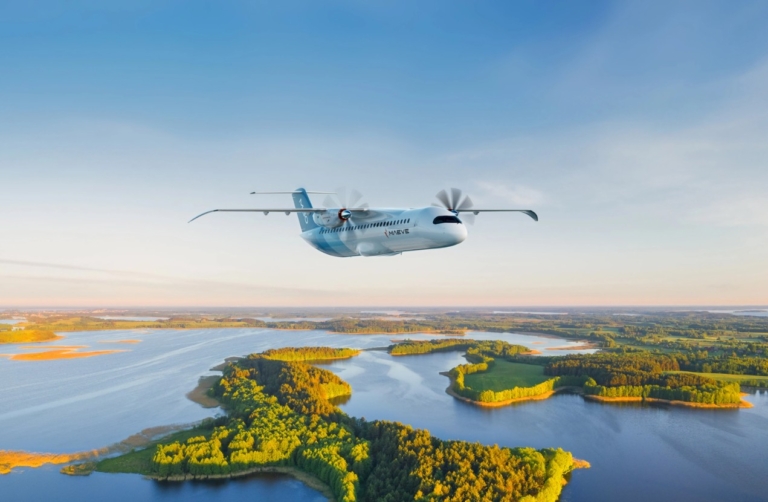
Photo: MAEVE Aerospace
Find out more about this collaboration and example of the next generation of aircraft.
Read more
In partnership with Aerospace Global News, the Official News Partner for SSWS26, check out the latest sustainability news from the world of aerospace. From sustainable airports to hydrogen innovations, here are the top stories from August 2025.
Runways to sustainability: How airports are paving the way to a greener future
From living indoor walls and recycled cigarette butts to solar farms and electric ground power units, airports are embracing sustainable solutions in the race to net zero.
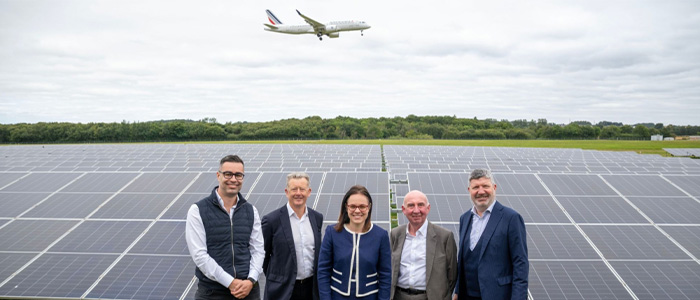
Photo: Edinburgh Airport
Find out more about how airports in Edinburgh, the Gold Coast, Portland, Cagliari and Bengaluru are leading the way in their innovative designs and initiatives.
Read more
ZeroAvia bets on high-temperature fuel cells to scale hydrogen flights to Airbus A320 by 2035
Speaking to Aerospace Global News, ZeroAvia CEO Val Miftakhov says the multi-megawatt ZA2000 could power narrowbody aircraft by the mid-2030s, with large turboprops targeted as early as 2029.
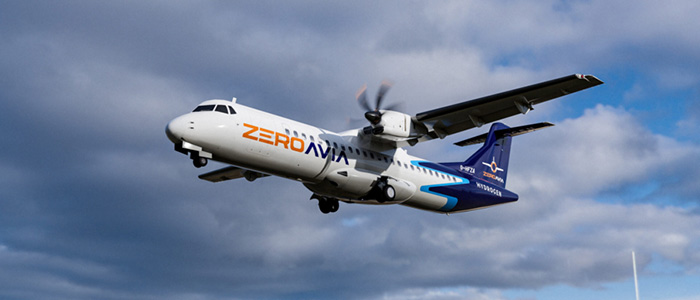
Photo: ZeroAvia
Read more about how ZeroAvia are planning to scale their hydrogen-electric propulsion for larger aircraft.
Global SAF push gathers pace with new projects in India, Argentina and Indonesia
New projects give hope that SAF production is scaling up all over the world, but progress is overshadowed by slow starts for dozens of initiatives.
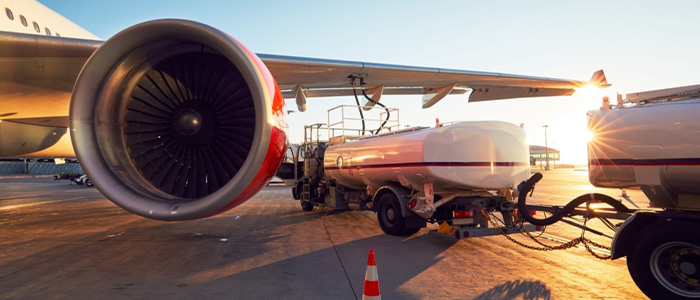
Photo: World Energy
Catch up on progress from across the world with the latest news from SAF producing hubs in India, Argentina and Indonesia.
Read more
Fuel savings and smoother flights: Wizz Air rolls out cockpit technology to tackle turbulence and CO2
The Hungarian-headquartered low-cost carrier says the upgrades will give its 2,700 pilots real-time, artificial intelligence-powered tools for optimising flight performance and managing weather conditions, including avoiding turbulence.
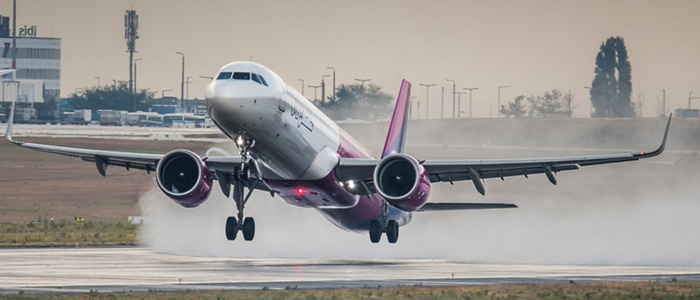
Photo: Avtech
Find out about the platforms and software Wizz Air are equipping, including AI-powered tools.
Read more
NATS Aviation Index 2025: Air passengers care more about flying than the climate
The NATS Aviation Index 2025, shows public concern over the environmental impact of aviation has declined, while interest in ensuring on-time performance has risen.

Photo: Public Domain Pictures
For the first time, UK air passengers say they care more about punctual flights than cutting emissions.
Read more about public expectations and concerns.
Sustainability News and Event Themes
These key news stories from last month cover several of the key themes of Sustainable Skies World Summit, including Operational Efficiency, Future Flight, and Sustainable Aviation Fuels.
(last updated 07/08/2025)
In pursuit of Net Zero, the aerospace industry is on a mission to seek alternative solutions to help us reach the industry decarbonisation targets by 2050. With emerging avenues being explored, Sustainable Aviation Fuel is considered one of the most promising pathways to reduce carbon emissions.
1. What is SAF?
Sustainable Aviation Fuel is an alternative to fossil fuels, typically made from plant and animal materials. Compared to traditional jet fuel, sustainable fuels can reduce carbon emissions by up to 80%, depending on the source of material, method of production and the overall supply chain.
Other fuels being researched and tested include Lower Carbon Aviation Fuels (LCAF) and Zero Emission Fuels (ZEF)
Lower Carbon Aviation Fuels (LCAF)
- LCAFs are bio-jet fuels that could act as a complementary measure other sustainable fuels.
- The overall CO2 emissions savings vary. Currently, these fuels must be blended with kerosene for certification reasons but also because there is not enough production to meet fuel demand.
- Recommendations to accelerate this sector call on policy makers to support initiatives delivering at least a 50% reduction in CO2 emissions and have a significant supply of feedstock in order to create LCAF at a big enough scale.
Zero Emission Fuels (ZEF)
- ZEFs are also known as carbon-neutral fuels, meaning they produce no net-greenhouse gas emissions or carbon footprint.
- They are typically made using carbon dioxide (CO2) as a feedstock, which involves capturing and converting CO2 into a viable aviation fuel such as liquid methanol.

2. Is SAF the same as biofuel?
SAF is generally the preferred term in aviation as it encompasses the scope of materials used to produce it, including both biological and non-biological resources. Biofuels are not necessarily always produced sustainably, and therefore the term is avoided when discussing aviation-specific fuels. Biodiesel in particular is not suitable for use in aviation.
3. Who makes Sustainable Aviation Fuel?
Currently, some of the top producers include Neste, World Energy, Gevo, Alder Fuels and SkyNRG. In December 2022, the UK government announced funding for 5 UK-based projects, some focusing on converting household waste into sustainable fuel.
The UK government announced the forthcoming implementation of the SAF Mandate, which took effect on January 1, 2025. Under this mandate, aviation fuel suppliers will be obligated to incorporate progressively larger proportions of sustainable fuels into the UK’s jet fuel supply, beginning with 2% in 2025, increasing to 10% by 2030, and ultimately reaching 22% by 2040.
To support the mandate, the Government has also introduced a bill to enable ‘revenue certainty’ to support greater production in the UK and help airlines meet the mandate targets.
4. How does Sustainable Aviation Fuel reduce emissions?
Compared to conventional fuels, burning SAF fuel reduces the amount of CO2 emissions across its lifecycle as well as other impurities such as sulphur dioxide.
‘One of things that really confuses people is that when we consume SAF in the engines we still produce a form of CO2, but it’s obviously made from biogenic sources or from captured CO2’ … ‘So in terms of increasing net CO2 in the atmosphere, SAF doesn’t do that. It’s the timeline over which we are recycling that carbon which is important’
Leigh Hudson, Environmental Manager – Carbon Management, British Airways (SSWS22 Webinar)

5. Is Sustainable Aviation Fuel actually sustainable?
SAF provides a significant reduction of CO2 emissions, but it is a drop-in solution meaning most current aircraft can only use a 50% blend with normal jet fuel. 100% SAF flights have been tested but they require technological modifications to the aircraft first.
6. Who uses Sustainable Aviation Fuel?
As of April 2025, over 50 airlines worldwide have integrated Sustainable Aviation Fuel into their operations to help reduce carbon emissions and achieve sustainability goals. More than 450,000 flights have used blended fuels, with a significant concentration in the U.S. and Europe.
Virgin Atlantic operated the first commercial flight using 100% SAF from London Heathrow to New York JFK in November 2023. Read more.
Since this milestone however, the amount of SAF used by airlines remains a very small percentage. Currently, Air France and United Airlines are amongst some of the companies leading the way in terms of purchase and usage.
7. Is Sustainable Aviation Fuel more expensive?
Generally, SAF is far more expensive that traditional jet fuels. As of 2025, the cost of first and second generation fuels made from waste feedstocks and cooking oils typically cost buyers 2.5x that of standard fuel. The newer third generation fuels or synthetic fuels which are still in early development, can carry a price tag 10x that of normal jet fuel.
This is the main reason why many airlines and carriers have been reluctant to adopt it and oppose the mandates and sustainable targets put in place. The cost of production partnered with the low demand is what is keeping the overall cost so high, with many citing the need for government incentives and investment as the solution. Airlines are also mindful of rising costs to passengers, and the impact it would have on airfares should sustainable fuels remain so expensive.
‘SAFs are wonderful, they’re great, if you can get it. We wholeheartedly support any effort from government incentives and through the market to ramp up as fast as possible the production of these game changing sustainable aviation fuels.’
Sean Bradshaw, Technical Fellow – Sustainable Propulsion, Pratt & Whitney (SSWS22 Webinar)
“SAF is a key priority, as outlined by the Jet Zero Strategy. The Mandate should be implemented by 1 January 2025 once passed as legislation.”
Claire Swadkin, Deputy Director Low Carbon Fuels, UK Department for Transport (SSWS24)
Latest News
- Global production reached 1 million tonnes (1.3 billion litres) in 2024, doubling the output from 2023 but falling short of the projected 1.5 million tonnes. (IATA)
- United Airlines has increased its delivery locations, now incorporating blends into flights operating from London Heathrow (LHR) and San Francisco (SFO) airports. (United Airlines)
- EasyJet signed a six-year agreement with Moeve for SAF supply on its Spanish routes from 2025 to 2030. Additionally, it secured access to up to 150,000 tonnes, including 75,000 tonnes of e-SAF, from 2030 onwards (EasyJet)
- In 2024, Air France utilised 43,953 tonnes of sustainable aviation fuel, reducing CO₂ emissions by over 150,000 tonnes. To support its long-term decarbonisation goals, the group has signed a 10-year agreement with TotalEnergies to secure the supply of up to 1.5 million tonnes.
With developments constantly changing in regards to production, supply and usage, SAF remain one of the key themes at Sustainable Skies World Summit. This event is a crucial meeting of industry leaders to connect and collaborate on continuing this progress.
(last updated 07/08/2025)
Net Zero is the phase everyone has become familiar with, but what does it actually mean and does this mean zero emissions?
Specific roadmaps and targets differ from country to country but on the whole, they are predominately set on reducing carbon dioxide (CO₂) emissions by 2050.
Many argue that these measures do not go far enough and that the real goal should be focused on True Zero. How the industry plans to reach these targets, through alternative technologies and addressing the non-CO₂ effects, will be introduced in this blog and further discussed at the Sustainable Skies World Summit.
What is the difference between Net Zero and True Zero?
Net Zero quite simply is the target of negating the amount of greenhouse gases produced by human activity by reducing emissions and removing carbon dioxide already in the atmosphere. The UK Government has set out strategies to decarbonise all sectors of the UK economy in order to meet Net Zero targets by 2050.
In comparison, True Zero considers both CO₂ and non-CO₂ effects and is what many in the industry believe should be regarded as the true goalpost in sustainable aviation.
What are the Non-CO₂ Effects?
Although carbon dioxide emissions are the most frequently talked about, they only make up a small percentage of the issue. Emissions from aviation specifically also include nitrogen oxides (NOx), water vapour and contrails, particulates, carbon monoxide, unburned hydrocarbons, and sulphur oxides (SOx). These could potentially have a 2–3 times greater climate change impact than CO₂ alone (Roland Berger).
Non-CO₂ emissions have frequently been overlooked with much of the attention being placed on carbon emissions alone, but as the industry looks beyond Net Zero 2050 targets it must broaden its scope and truly address how we can achieve zero emission flight.
What is Zero Emission Flight?
Flying without producing any emissions is a difficult challenge. Zero emission flight ultimately requires an alternative source of power to conventional jet fuel and the industry is working tirelessly to research and develop new solutions that utilise hydrogen, electric, solar and hybrid technologies all with the hope of delivering truly zero emission flight.
The leading technologies showing potential at the moment are electric and hydrogen. Electric vertical take-off and landing aircraft (eVTOLs) could offer a zero emission solution but currently only for short distance flights. Learn more about the role of eVTOLs here.
Hydrogen on the other hand, could provide the answer to truly zero emission flight, with many leading aerospace companies paving the way with research and development.
Hydrogen in Focus
Hydrogen has been safely used in the industry for many years and could play a major role in the future of sustainable flying. Firstly, hydrogen can be combusted to create electrical power for battery-powered aircraft such as eVTOLs. Secondly, hydrogen can be used as a fuel itself, replacing the need for conventional jet fuel and sustainable aviation fuel in the long run.
The latter option, whilst boasting the most potential, also creates the biggest challenge. There are numerous engineering challenges to consider with hydrogen technology but by far the most pressing is the fuel density of hydrogen. Simply put, to use hydrogen as a direct fuel you would need much bigger fuel tanks than what is currently used on commercial airliners. This will require a fundamental shift in how aircraft are designed.
To compare this with the use of Sustainable Aviation Fuels (SAF), which currently require no change to the aircraft itself, hydrogen is a huge long-term investment and something not everyone is yet fully behind. With numerous technologies being developed and tested, it has become difficult for investors to know which path to back.
Short-Term vs. Long-Term Investment
To achieve Net Zero targets and ultimately True Zero, there will likely not be a single solution, but instead a combination of changes to technology, fuels and operations. The short-term measures we make will play just as important role and these include maximising the usage of SAF, minimising fuel burn through operation efficiency and carbon removal measures. SAF is one of the leading developments and currently can cut carbon emissions by 65% (source: IATA). Learn more about SAF here.
However, to achieve absolute zero emission flight we must go further. A revolution in either sustainable fuels or technology will have the greatest impact and these long-term measures will likely require a shift in how we view flying and perhaps lead to a big change in aircraft design.
As it stands, many of the short-term measures only concern reducing CO₂ emissions to meet Net Zero targets. To take this further, considering non-CO₂ emissions and reaching True Zero, longer-term strategies and bigger changes will be required.
Going Beyond Flight
To reach True Zero, zero emissions in the skies also need to be reflected on the roads and other forms of transport. To achieve this across the industry, we must go beyond the actual flight and consider operational and airport emissions too. This includes collaborating with other transport industries and analysing the full supply chain. Read more about Operation Efficiency.
Leading Voices
ZeroAvia, ‘Hydrogen-electric is the best option for long-term transition to clean aviation’
Airbus’ ZEROe Project, ‘Airbus’ ambition is to bring to market the world’s first hydrogen-powered commercial aircraft by 2035’
Rolls-Royce, ‘Pioneering hydrogen engine combustion’
Roland Berger, ‘The Roadmap to True Zero’
IATA, ‘Liquid hydrogen as a potential low-carbon fuel for aviation’
(last updated 07/08/2025)
As the industry strives to find long-term solutions to alternative fuels, direct carbon removals or capture could help companies meet Net Zero targets.
What is Carbon Dioxide or CO2?
Carbon is the fourth most abundant element in the universe and is a primary component of all life on Earth. Carbon Dioxide is a molecule composed of one carbon atom and two oxygen atoms. We breathe air in, exhaling its waste product.
It is a colourless, odourless gas that is slightly denser than air. CO2 is a greenhouse gas, that acts as an insulator due to its non-conductive properties, trapping heat in the atmosphere and contributing to climate change.
It comes from natural sources, like volcanic activities or animal metabolisms. Human activities, like deforestation, industrial activities and burning fossil fuels also contribute to the levels of CO2 found in the atmosphere.
Increased levels of carbon dioxide are being absorbed by the Earth’s oceans, raising their pH levels. According to the National Oceanic and Atmospheric Administration, at the moment the average pH is around 8.1 (alkaline), but as the oceans continue to absorb CO2 they will become more acidic, negatively affecting ocean life.
How much CO2 is there in the atmosphere now?
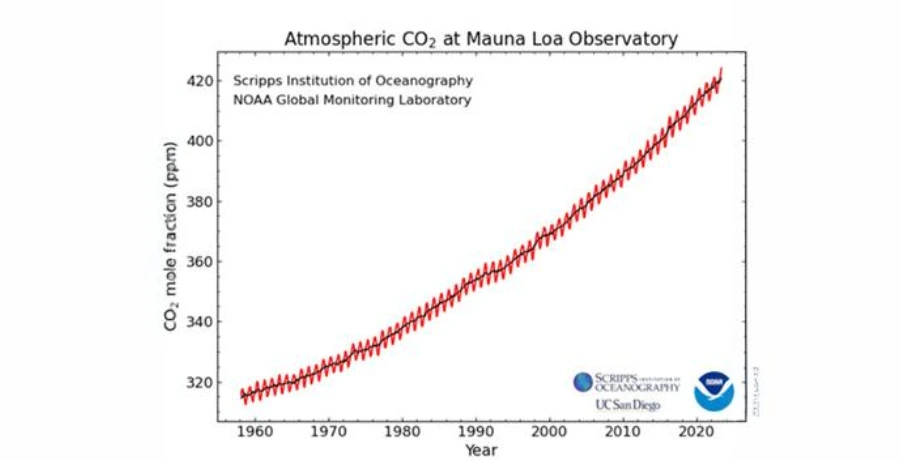
According to recent data, the levels of carbon dioxide hit 424 ppm (NOAA, 2023), further highlighting the imperative urgency behind the need for carbon removal.
Overall, aviation accounts for 2-3% of global carbon dioxide emissions, with many leading industry players announcing plans to have zero-emission aircraft in the coming years, i.e. Airbus will be using hydrogen fuel cells in their fleet by 2035. The progress is slow, but it can be accelerated.
Carbon Removal Technologies
The market for dioxide removal has expanded significantly in the last decade, with companies worldwide investing in developing solutions to capture and permanently store CO2. According to McKinsey, by 2025, next-generation climate technologies could attract $1.5 trillion to $2 trillion of annual capital investment, creating jobs across various sectors.
Direct Air Capture (DAC) technique is leading the way in the field, where CO2 is extracted directly from the atmosphere and stored either underground or incorporated into existing industrial processes.
Enhanced Weathering is another strategy that focuses on removing CO2 from the atmosphere, storing it in rocks, which are then worn away by the rain, releasing elements like calcium and magnesium. This technique is very effective, capable of removing billions of tons of carbon from the air yearly, however, it takes a lot of time, energy and other resources to make a positive effect on the environment.
Pioneering solutions to carbon removal continue to emerge. Synhelion, a company from Zurich makes jet fuel from carbon monoxide, sunlight and water by pouring CO2 and water into a tower and using concentrated solar heat to break the molecules into hydrogen and carbon monoxide. This ‘syngas’ can then be used to create other fuels, like kerosene, methanol or other hydrocarbons. When combusted, only as much carbon dioxide is released as was originally taken in, making it carbon-neutral.
Carbon Removals: Companies
There are now many companies working on carbon removal projects, with specialties arising around direct air capture, carbon capture, carbon storage, and mineralisation.
At Sustainable Skies World Summit we have had many leading carbon removal companies exhibit, including Climeworks and Carbon Engineering. View the full list of companies that exhibited at our 2025 event here.
Leading Global Collaboration
Global collaboration is key to advancing the industry’s journey to reach Net Zero. Carbon emissions released in one country are directly affecting other countries across the globe. Major industry players are developing collective approaches to foster innovation that lead to more environmentally-friendly technologies.
Experts in the field explore this topic in more detail at Sustainable Skies World Summit, a platform for fostering collaborative solutions that will make these technologies more effective and commercially viable.
Governments also play a crucial role in driving the industry’s progress towards a more sustainable future, and Sustainable Skies repeatedly features vital insights from policymakers that accelerate the successful integration of carbon removal technologies into the global supply chain.
