The Sustainable Skies World Summit reinforced a shared commitment across government and industry, turning ambition into tangible action and with UK Government and industry announcing measurable progress toward a net zero aviation future.
With a strong focus on delivery, the two-day event convened industry stakeholders, policymakers and sustainability advocates to address the sector’s most pressing challenges. Throughout the summit, there was a clear emphasis on practical implementation, with experts addressing immediate regulatory and operational requirements, SAF market realities, finance and investment support, carbon offsets and removals, non-CO2, accelerating the deployment of next-generation technologies, hydrogen aviation and identifying investment pathways to scale sustainable aviation solutions.
A major highlight of the summit was the UK Government’s update on its Jet Zero strategy. Keir Mather MP, Minister for Aviation, Maritime and Decarbonisation, launched the Jet Zero Taskforce’s first annual report, outlining significant steps forward in decarbonising air travel. Central to this progress is the UK’s Sustainable Aviation Fuel (SAF) Mandate, introduced in January 2025. The mandate requires fuel suppliers to blend SAF starting at 2%, increasing to 10% by 2030, providing a clear, long-term signal to accelerate production and adoption. The Government also detailed its Revenue Certainty Mechanism, designed to unlock private investment, alongside £63 million awarded through the Advanced Fuels Fund in 2025.
Complementing these developments, Sustainable Aviation announced a £2 million “Advanced Market Signal” initiative aimed at scaling the greenhouse gas removal (GGR) market. Through this initiative, industry members have committed to purchasing carbon removal credits, supporting the development of a market expected to require 20–30 million tonnes of removals annually by 2050.
Matt Ridley, Director of Sustainability and Innovation, Oneworld: “We as a sector are so important to the global economy. We’ve got to find a way of having less of an impact on the environment. So, Sustainable Skies is an important, inspiring opportunity to meet other people from other parts of the sector, and I’ve been really encouraged to see how sustainability is represented and [meet the] people thinking about a more sustainable future for aviation in Farnborough.”
Through a comprehensive programme of keynotes, panel discussions and workshops, the summit provided a platform to showcase progress to date while aligning on the priorities and targets that will shape the future of global aviation.
The UK Government and aviation industry have today set out significant progress towards decarbonising air travel, as Minister for Aviation, Maritime and Decarbonisation Keir Mather MP launched the Jet Zero Taskforce’s first annual report at the Sustainable Skies World Summit.
The report highlights the major milestones achieved in 2025 through close collaboration between the government, industry, and academia, marking a shift from planning to delivery in the UK’s net-zero aviation strategy.
Speaking at the summit, Keir Mather MP said the Government shares the industry’s ambition for “truly sustainable skies”: “The progress we are making is encouraging, but we must be clear eyed that there is still a long way to go on this journey, and there are real challenges ahead, but there are enormous opportunities too.
“The green transition is not only about protecting our planet, but also about strengthening our economy and our resilience. In an uncertain world, energy security has never been more important, and that is why we must keep building momentum, boosting the production and deployment of SAF, backing technological renovation, improving efficiency, and building robust carbon markets.”
Central to progress is the introduction of the UK’s Sustainable Aviation Fuel (SAF) Mandate in January 2025, which requires fuel suppliers to blend SAF starting at 2% and rising to 10% by 2030. The policy is expected to cut emissions while supporting a domestic SAF industry. The Government has also advanced a Revenue Certainty Mechanism to unlock private investment and awarded £63 million through the Advanced Fuels Fund.
Industry has responded with increased SAF supply, new production facilities and partnerships such as Project Speedbird, alongside financial incentives from airlines and airports to accelerate uptake. Advances in zero-emission flight have also been made, including expansion of the Hydrogen Challenge programme and nearly £240 million in joint funding for next-generation aerospace technologies. Operational improvements, including the creation of a UK Airspace Design Service and more efficient aircraft spacing, are already delivering emissions reductions and improved performance.
The report also highlights progress on long-term solutions, including frameworks for greenhouse gas removals (GGRs) and carbon capture, alongside new research and trials to tackle non-CO₂ impacts such as contrails.
Complementing the report, Sustainable Aviation announced a £2 million “Advanced Market Signal” initiative to help scale the GGR market, with members committing to purchase carbon removal credits. The sector estimates it will require 20–30 million tonnes of removals annually by 2050.
Sustainable Aviation also outlined steps to address non-CO₂ emissions, including improved real-time data, targeted SAF use, smarter flight paths, and closer scientific collaboration.
Duncan McCourt, Chief Executive of Sustainable Aviation, said: “The UK aviation industry is working hard to address its climate impact.
“Scaling Greenhouse Gas Removals is essential for hard-to-abate sectors, and this Advanced Market Signal is the aviation industry acting now to help stimulate the growth of the GGR sector.
“We have also made clear today that the aviation industry supports action to address the non-CO₂ impact of aviation. By accelerating research, trials, and collaboration, we can deliver practical solutions that reduce aviation’s full climate impact.”
Taking place 17-18 March 2026, Sustainable Skies World Summit convenes the global aviation community and provides a platform for collaboration, innovation, and concrete action toward achieving the industry’s Net Zero goals.
Registration is still open, and the event is free to attend. Register here.
70+ Speakers Announced for Sustainable Skies World Summit 2026
More than 70 senior industry leaders from the likes of European Commission, IAG, IATA, Airbus, GE Aerospace, Rolls-Royce, Safran UK, Estuaire and NATS have been confirmed to speak at Sustainable Skies World Summit 2026, taking place 17-18 March 2026.
The conference-led summit, organised by Farnborough International, is convening representatives from government, regulatory bodies, airlines, aerospace manufacturers, investors and academia to examine the policy, financial and technological measures required to support aviation’s Net Zero transition.
The latest speakers confirmed include:
- Lahiru Ranasinghe, Director of Sustainability, easyJet
- Ian Jopson, Director of Sustainability, NATS
- Nicholas Earl, Vice President, Safran UK
- Vianney Valés, CEO, Wastefront
- Caroline Longman, Director, Equilibrion
- Jonathon Bean, CEO & Co-Founder, MatNex
- Maxime Meijers, Co-founder & CEO, Estuaire
- Jonathan Chestney, RISE Project Lead, GE Aerospace
- Ash Owen, Head of Future Technology, Rolls-Royce
The 2026 programme prioritises implementation and regulatory readiness, reflecting the industry’s shift from ambition to delivery. Alongside plenary sessions and panel discussions, the summit will feature dedicated networking areas designed to facilitate engagement between delegates. These sessions will enable targeted discussions across SAF, Non-CO2 & Operational Efficiency, Zero Emissions and Future Flight, supporting direct engagement between stakeholders progressing sustainable aviation initiatives.
Interactive workshops will also form part of the agenda. Developed in response to industry feedback, the sessions focus on practical challenges facing the sector and explore approaches that can be applied in the near future. Topics include:
- The SAF Mandate: Understanding and Navigating 11 Global Systems
- CORSIA: Supply, Demand, and Pricing Trends
- Hydrogen Infrastructure
- Communicating Sustainability
Sustainable Skies World Summit 2026 is taking place at the Farnborough International Exhibition and Conference Centre, Hampshire, UK, and attendance is free.
Catch-up on the latest aviation and sustainability trends, with our 2026 sustainability news wrap for January. brought to you in partnership with Aerospace Global News (AGN). AGN is an official media partner for Sustainable Skies World Summit 2026, taking place 17-18 March 2026.
New technology could turn industrial carbon emissions into jet fuel
RMIT researchers have developed a carbon-conversion system that could allow industrial emissions to be recycled into key inputs for future low-emissions aviation fuel.
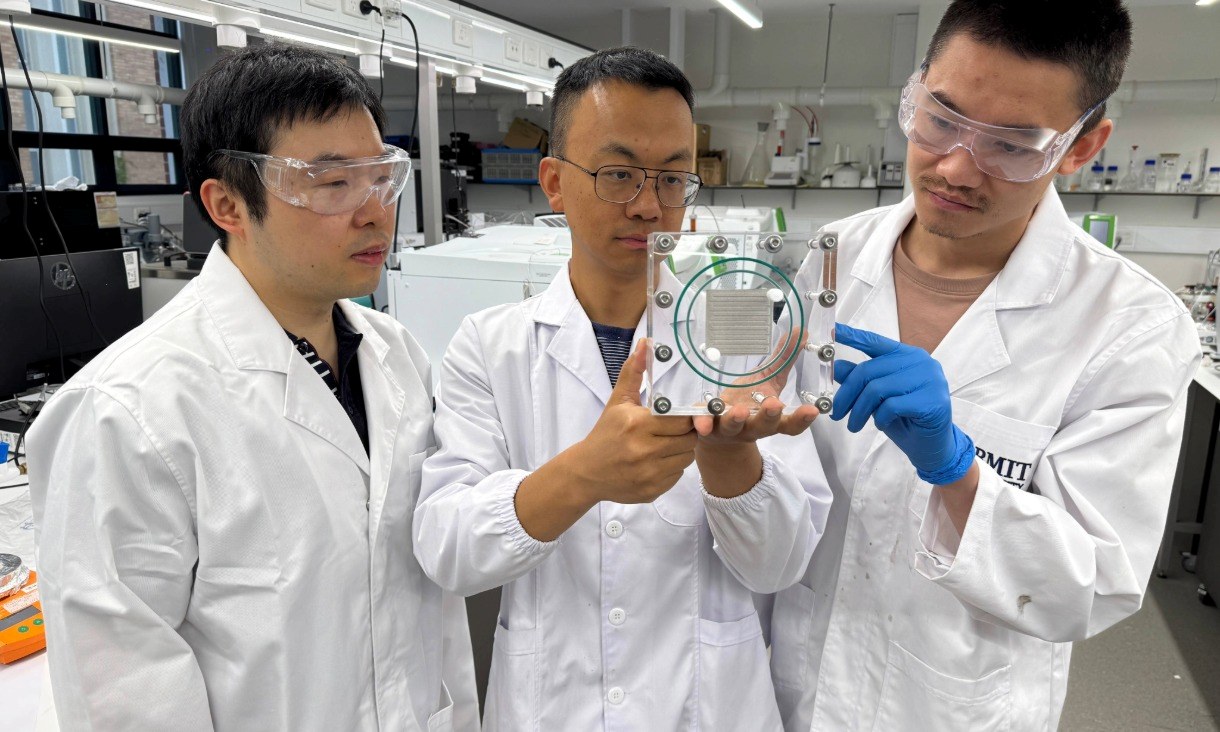
Photo: RMIT
Learn more the carbon-conversion system that combines carbon capture and conversion into a single, integrated process.
Sustainable aviation fuel production pathways explained
There are multiple pathways to produce low-emission, fossil-free fuels that can help curb environmental emissions from aviation.
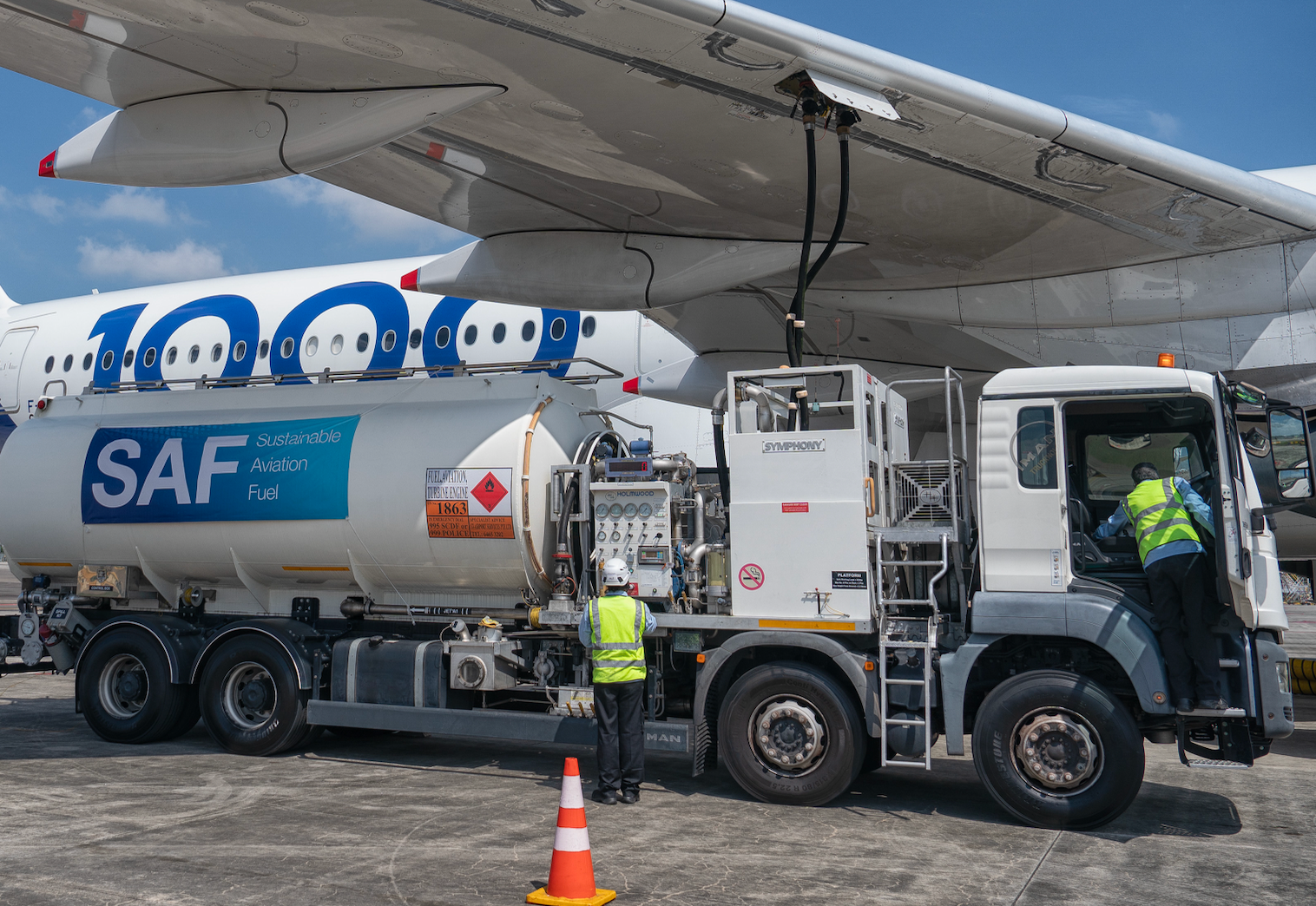
Photo: Airbus
Read more about the different SAF pathways.
Europe urged to act on winter contrails as aviation’s quickest climate win
A new European analysis warns that winter and night-time flights create a disproportionate share of aviation’s climate warming through persistent contrails.

Photo: Philippe | stock.adobe.com
Find out more about the study highlights.
NASA advances laminar flow wing technology that could cut airliner fuel burn by 10%
Engineers at NASA’s Armstrong Flight Research Center in California have completed a high-speed taxi test of the Crossflow Attenuated Natural Laminar Flow concept, using an F-15B research aircraft as a flying laboratory.
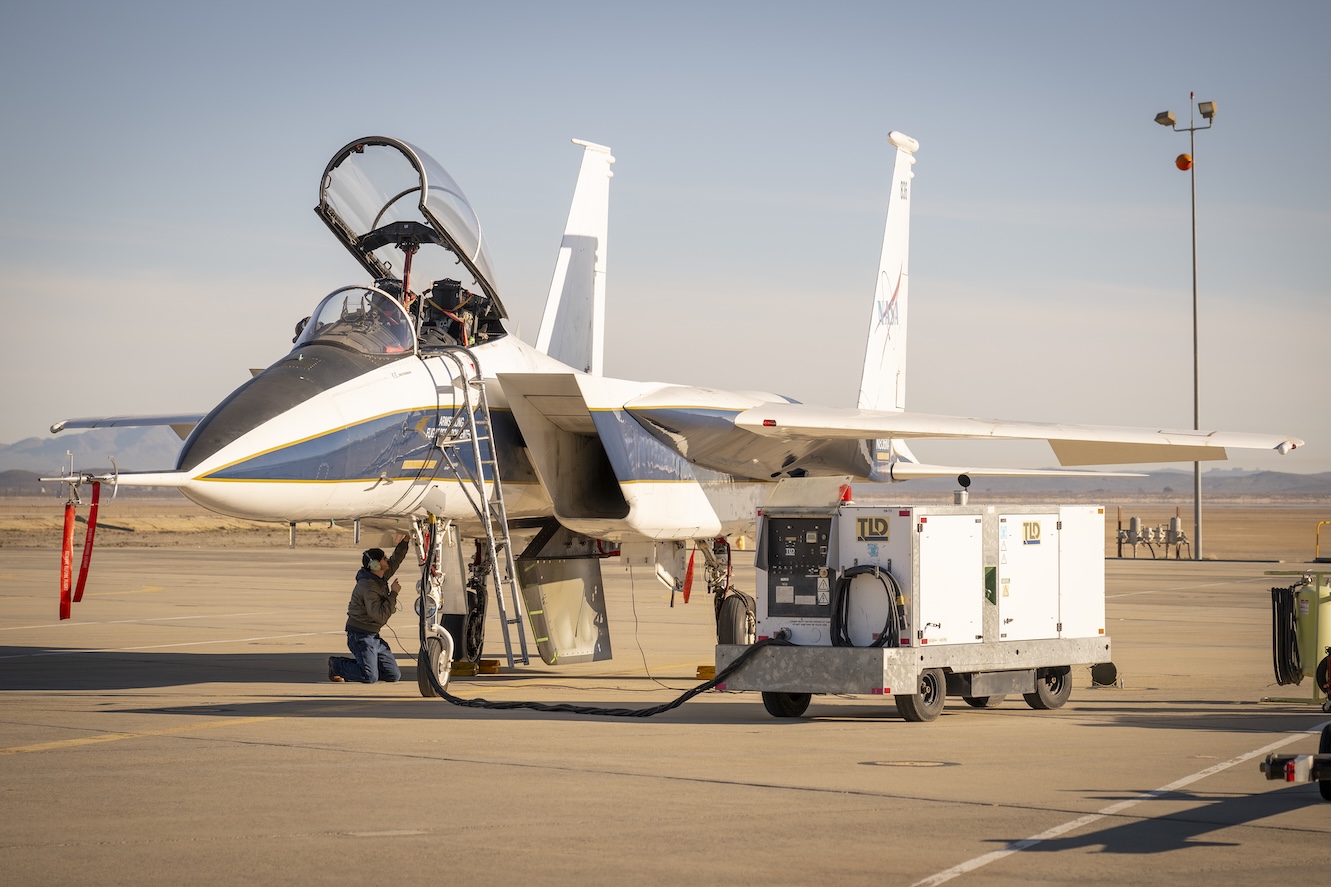
Photo: NASA/Christopher LC Clark
Learn more about how this test could represent a significant step forward for airlines
From seat covers to SAF: how Wizz Air is pursuing its sustainability goals in 2026
With sustainability in aviation continuing to take centre stage in 2026, how is Europe’s Wizz Air employing green initiatives to expedite its pursuit of net zero?
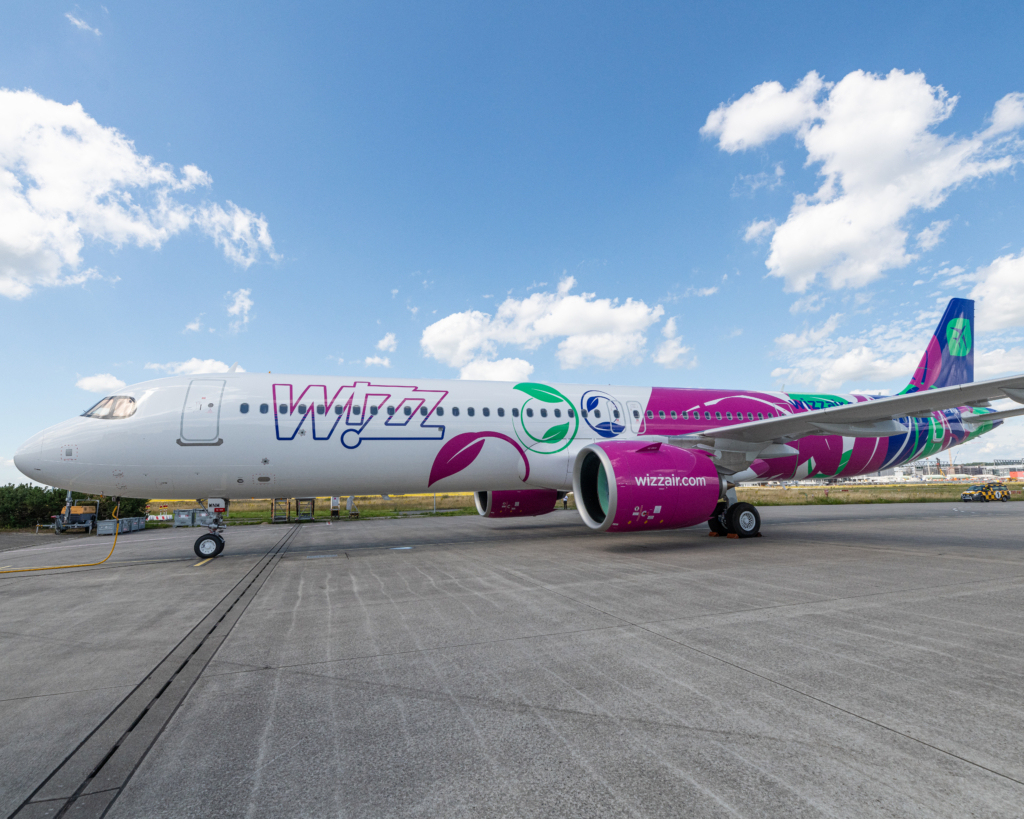
Photo: Wizz Air
Read more about what Aerospace Global News discovered from their day with Wizz Air.
The first wave of speakers has been announced for the next instalment of Sustainable Skies World Summit (SSWS), taking place 17–18 March 2026. The conference-led event organised by Farnborough International returns to bring together the global aviation community and lead the transformation toward a more sustainable industry.
This edition will deliver an informative programme of expert speakers with sessions addressing the most crucial challenges facing aviation today. For 2026, the summit is placing a strong emphasis on practical implementation, immediate regulatory and operational requirements, scaling next-generation technologies, and investment pathways for sustainable aviation.
Among the confirmed speakers for the 2026 summit are:
- Nicholas Cadbury, CFO, IAG
- Eddy Liegeois, Head of Unit, Aviation Policy, European Commission
- Matt Ridley, Director of Sustainability and Innovation, Oneworld Alliance
- Preeti Jain, Head of Net Zero Research and Programs, IATA
- Tim Lederer, VP Regulatory Affairs & Fuel, Global Aviation, DHL
- Nichola Bates, Founder & CEO, Xelerated Fifty
- Mark Bentall, Head of R&T, Airbus
- Marylin Bastin, Head of Aviation Sustainability, EUROCONTROL
- Jonathon Counsell, Chair, Advisory Board, IAG
- Kolin Schunck, Senior Manager, Strategic Innovation and Intelligence, Lufthansa Technik
- James McMicking, Chief Strategy Officer, ZeroAvia
- Jan Petter Steinland, Director, Strategic Analysis and Transformation, CAA Norway
- Laurent Donceel, Director, Transport and Industrial Policy and Sustainability, Hydrogen Europe
- Cesar Pereira, Head of Sustainability, Commercial Aviation, Embraer
- Anna Stukas, VP Strategic Partnerships, 1PointFive
- Simon Meakins, Director, Advanced Air Mobility EAMEA, Bristow Group
- Dr. Mai Bui, Director of Climate Science, Supercritical
- Peter Albin, Carbon Offset Research Lead, Wood Mackenzie
- Maxime Meijers, CEO, Estuaire
- William McClintock, Senior Manager, Markets & Sustainability, IBA
- David Herschell, Senior Specialist Fellow, Deactivation and Disposals, Defence Recycling and Disposals Team (DRDT), RAF
Programme highlights include Busting the Myth: SAF Market Realities in 2026, a fact-led panel examining near-term SAF supply, global market dynamics, and what airlines can realistically procure between 2026 and 2027. Recognising that finance is critical to progress, investment also features prominently, with Overcoming Obstacles to Progress: Building Investable Business Cases for Sustainability bringing together investors, CFOs, and industry leaders to explore how capital can be unlocked through viable, finance-ready pathways, including risk allocation, blended finance structures, and value-stacking models.
Discussing the programme, Duncan McCourt, Chief Executive, Sustainable Aviation, said: “As the industry faces mounting pressure to meet net zero targets, this year’s discussions will assess collective progress since 2021 and issue a clear call to action for the coordinated policy, investment, and system-wide transformation required before 2030. The agenda places a firm emphasis on practical delivery, moving beyond ambition to implementation by addressing regulatory readiness for upcoming mandates, the scalable availability of Sustainable Aviation Fuel (SAF), and Next Generation Technologies.”
Sustainable Skies World Summit 2026 provides a platform for collaboration, innovation, and concrete action toward achieving the industry’s NetZero goals. Industry stakeholders, policymakers, and sustainability advocates will convene for two days at the award-winning Farnborough International Exhibition & Conference Centre in the UK to engage in important discussions and establish the direction for the next decade of aviation transformation.
Here’s the top sustainability stories from December 2025, brought to you by Aerospace Global News (AGN). AGN is an official media partner for Sustainable Skies World Summit 2026, taking place 17-18 March 2026.
Archer Aviation unveils full details of its proposed Miami metropolitan area air taxi network
The eVTOL developer is partnering with major real estate companies across Miami to bring public air taxi flights to the Sunshine State in 2026.
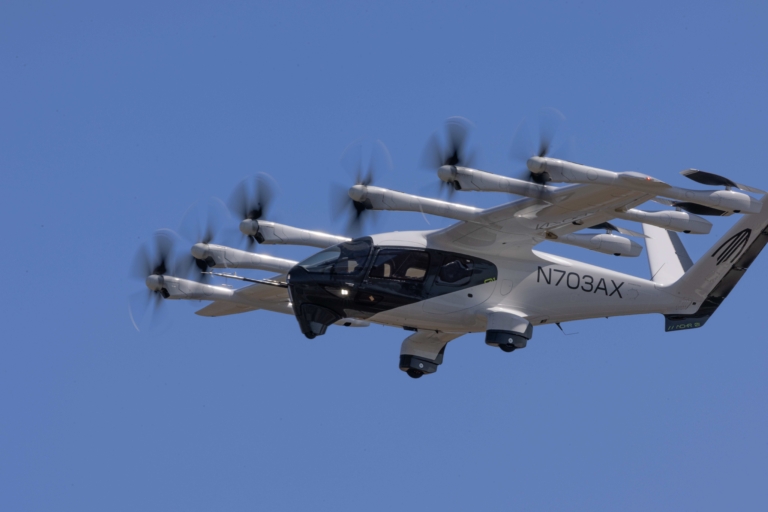
Photo: Archer Aviation
Read more about Archer’s newly unveiled plans.
Airlines advance wake-energy formation flight trials across Atlantic in Airbus fello’fly project
By positioning a following aircraft in the upwash region of a leading aircraft’s wake, aircraft operators could ultimately reduce fuel burn by up to 5 percent, Airbus says.

Photo: Airbus
Learn more about the flight trials.
Europe’s 1st commercial eSAF plant moves closer to reality as Metafuels selects McDermott for Rotterdam project
One of Europe’s leading SAF innovators, Metafuels, has awarded construction firm McDermott a front-end engineering and design (FEED) contract for its synthetic sustainable aviation fuel (eSAF) plant in Rotterdam.

Photo: Metafuels
Read more about the new contract.
Ready for Africa: How Deutsche Aircraft’s D328eco is positioned for the world’s toughest aviation market
With passenger traffic forecast to rise sharply and much of the continent still reliant on ageing turboprops, Africa is heading into a pivotal fleet-renewal cycle.
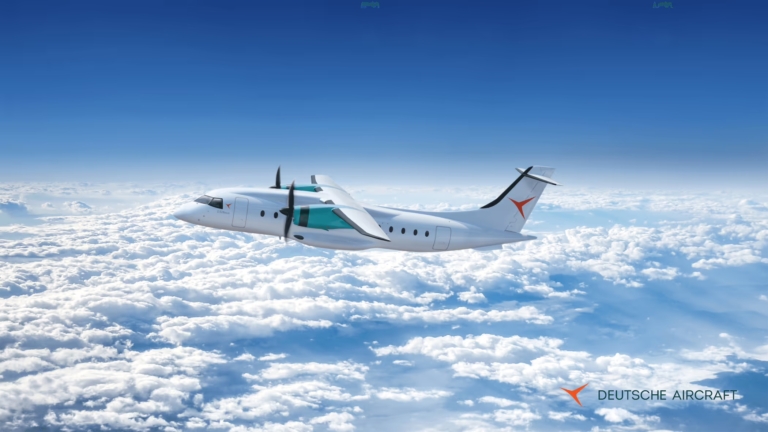
Photo: Deutsche Aircraft
Read more Africa’s pivotal fleet-renewal cycle.
Airline waste: What happens to uneaten meals from commercial flights?
Dealing with leftover meals is not as simple as just tossing leftovers in the bin. There are strict rules based on safety, cost and sustainability that guide what can be reused and what has to be thrown out.

Photo: Porter Airlines
Read more about what happens to uneaten meals from commercial flights.
Catch up on the latest aerospace sustainability news from November 2025, brought to you by Aerospace Global News (AGN). AGN is an official media partner for Sustainable Skies World Summit 2026, taking place 17-18 March 2026.
Rolls-Royce and British Airways test how SAF use can minimise climate impact of contrails
Rolls-Royce, British Airways, Imperial College London, and Heathrow Airport have launched a UK research project to study how Sustainable Aviation Fuel can help reduce the climate impact of contrails.

Photo: Pexels
Read more about the initiative and how targeted use of SAF could reduce contrails.
Europe launches €3 billion plan to scale up sustainable aviation fuel production
The European Union has announced a €3 billion investment to accelerate sustainable aviation fuel production, expand research, and strengthen Europe’s leadership in green aviation. The initiative forms part of the Sustainable Transport Investment Plan and aims to meet ambitious ReFuelEU targets.
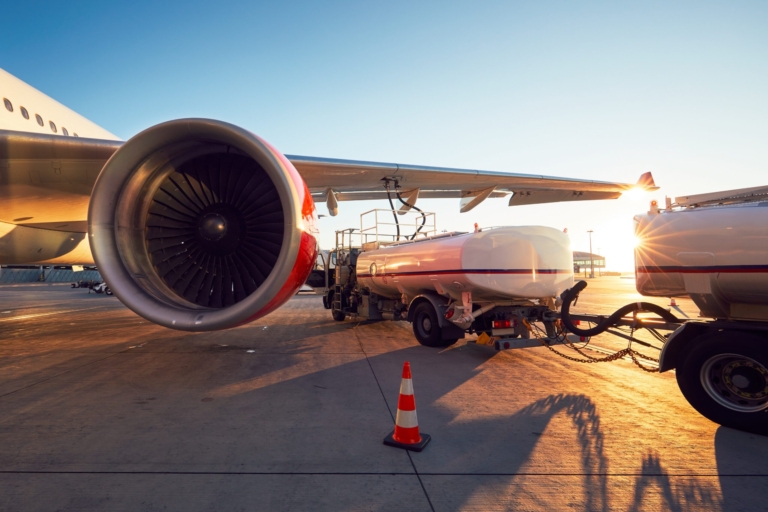
Photo: World Energy
Learn more about this major funding boost for SAF.
LanzaJet brings ethanol-to-jet sustainable aviation fuel to commercial scale
LanzaJet has reached a global milestone with the first commercial-scale production of ethanol-to-jet Sustainable Aviation Fuel. The breakthrough marks a decisive shift, offering a new, scalable pathway for global SAF supply as mandates tighten.

Photo: LanzaJet
Read more about the next wave of SAF production.
The fuel burn no one talks about: How electric taxiing could cut emissions faster than SAF
Airlines burn up to one-fifth of their fuel on the ground. With SAF still scarce, a new electric taxi system backed by major US carriers could offer a faster, simpler way to cut emissions.
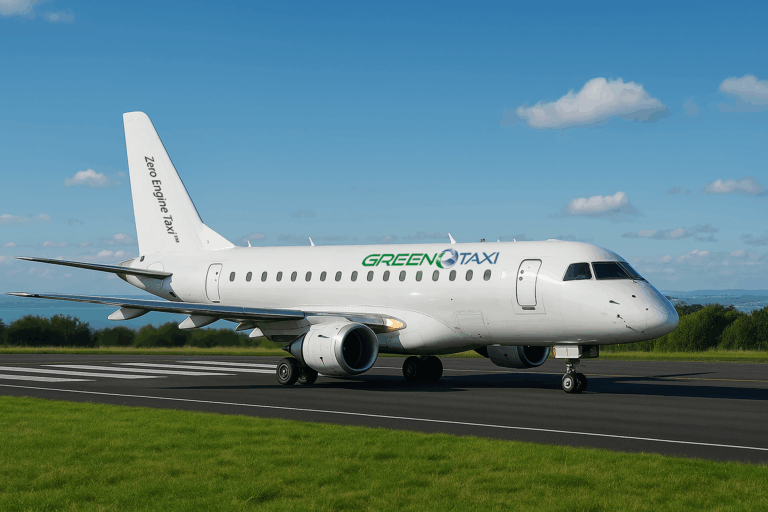
Photo: Green Taxi
Read more about how electric taxiing might be the fastest way to cut emissions this decade.
What is a jet stream and how does it affect aviation?
A jet stream is a narrow, fast-moving band of air current located high in the Earth’s atmosphere. When flying with a jet stream, aircraft will speed up and can cut down on flight times, saving on fuel and improving efficiency.

Photo: Delta Air Lines
Read more on how pilots and operators navigate these jet streams.
Sustainable Skies World Summit 2026
Aviation Industry To Accelerate Net Zero Journey
17-18 March 2026, Farnborough International Exhibition & Conference Centre
Registration is now open for the next instalment of Sustainable Skies World Summit (SSWS), taking place 17–18 March 2026, with free attendance for industry professionals. The award-winning event, organised by Farnborough International, returns to bring together the global aviation community to accelerate the industry’s journey to Net Zero.
Building on the success of last year’s event, which saw over 120 expert speakers across 46 dynamic sessions and a 46% rise in attendance, the 2026 edition will feature an expanded, immersive two-day conference designed to drive meaningful progress towards a cleaner future.
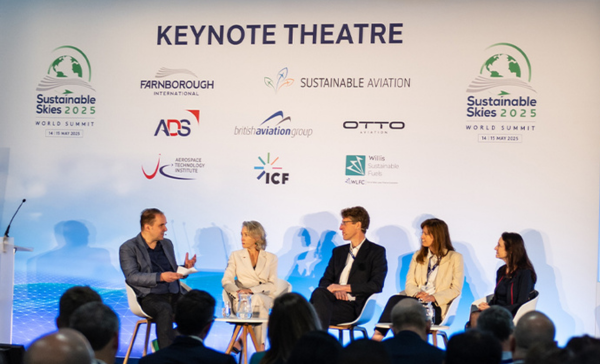
As one of the leading platforms for advancing sustainable aviation, SSWS continues to evolve and establish itself as the industry’s learning and teaching event, bridging the gap between ambition and implementation. The programme is curated around five critical themes: Sustainable Aviation Fuels (SAF), Carbon Removal, Zero Emissions, Operational Efficiency, and Future Flight.

The 2026 summit builds on this legacy, convening key government representatives, regulators, airlines, decision-makers, investors, innovators, academia, and media to collaborate, share insights, and advance sustainable aviation solutions.
In response to industry demand, the 2026 edition of the event has been refined to deliver deeper engagement, broader learning, and stronger networking. This enhanced format offers high-level opportunities including drinks receptions, topic focused networking sessions, workshops, and pre-scheduled meetings.
Attendees will gain direct access to pioneering suppliers and benefit from comprehensive deep-dive workshops on hot topics. Crucially, the entire event maintains a sharper focus on actionable outcomes, emphasising immediate takeaways, solidifying partnerships, and implementing solutions to progress sustainable aviation.
The summit is organised in partnership with ADS Group, Sustainable Aviation and British Aviation Group, as founding partners, demonstrating cross-industry commitment to sustainable aviation.
Registration for Sustainable Skies World Summit 2026 is now open and free to attend

Explore the latest news stories from the world of sustainable aviation. Brought to you by Aerospace Global News, the Official News Partner for Sustainable Skies World Summit 2026.
Which European airlines use the most Sustainable Aviation Fuel?
IBA’s October 2025 Sustainability Watch reveals which European airlines are leading in sustainable aviation fuel adoption as new EU mandates approach.
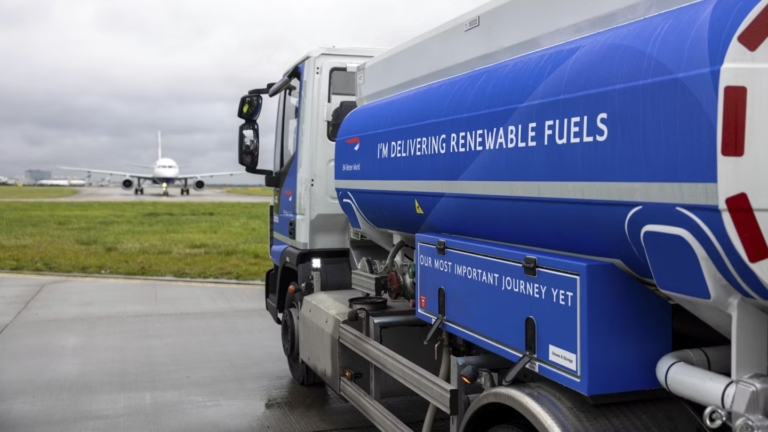
Photo: British Airways
Read more
Turning seawater into jet fuel: How the US Navy aims to fuel its aircraft from the ocean itself
The US Navy is testing revolutionary technology to turn seawater into jet fuel, potentially allowing its aircraft carriers to generate their own JP-5 fuel at sea and fly indefinitely without tankers.
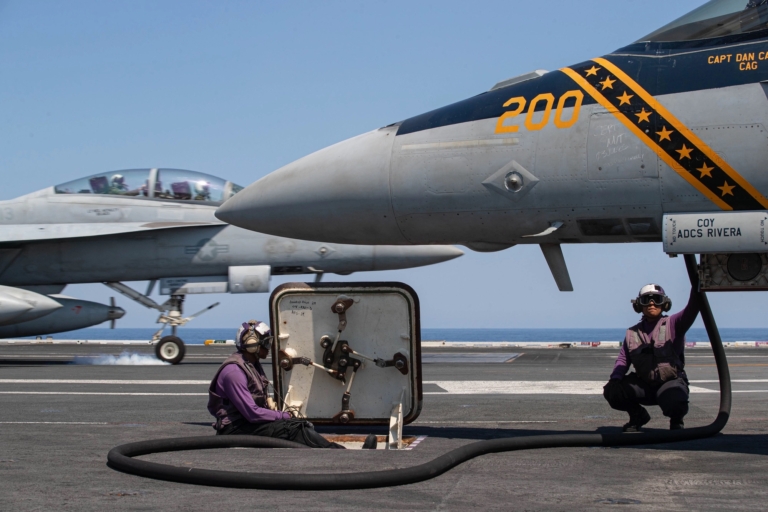
Photo: US Navy
Read more
How advancements in protective coatings can enhance turbine engine efficiency
Rare earth-based protective coatings are developed to reduce thermal loading of turbine engine components.
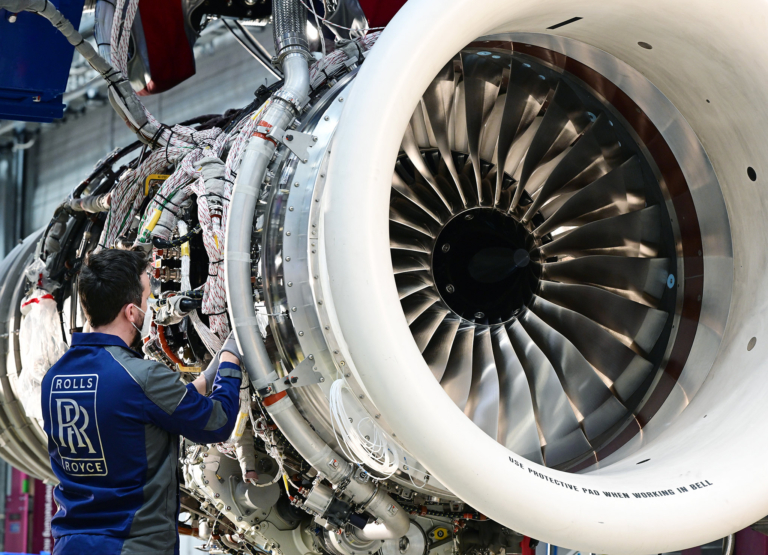
Photo: Rolls-Royce
Read more
EASA’s first annual SAF snapshot reveals scale of uptake across EU airports
European Union airports’ use of Sustainable Aviation Fuels (SAF) in 2024 avoided roughly 714,000 tonnes of CO₂ – the equivalent of about 10,000 return flights between Madrid and Paris – according to a new report from the European Union Aviation Safety Agency (EASA).
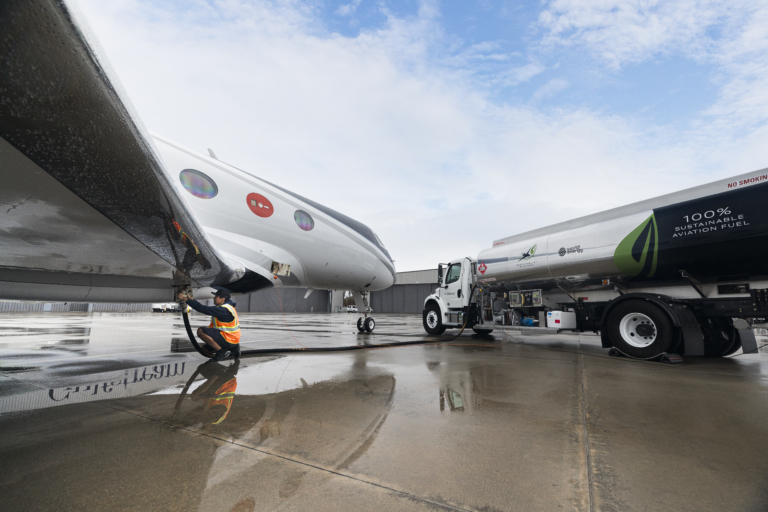
Photo: Gulfstream
Read more
Three aircraft participate in the first all-electric Pulitzer Trophy air race
Three all-electric aircraft competed for the Pulitzer Prize Trophy at a special event held in Ohio earlier in October. Each of the crewed aircraft took part in a competition to revive the old aviation tradition of air racing.
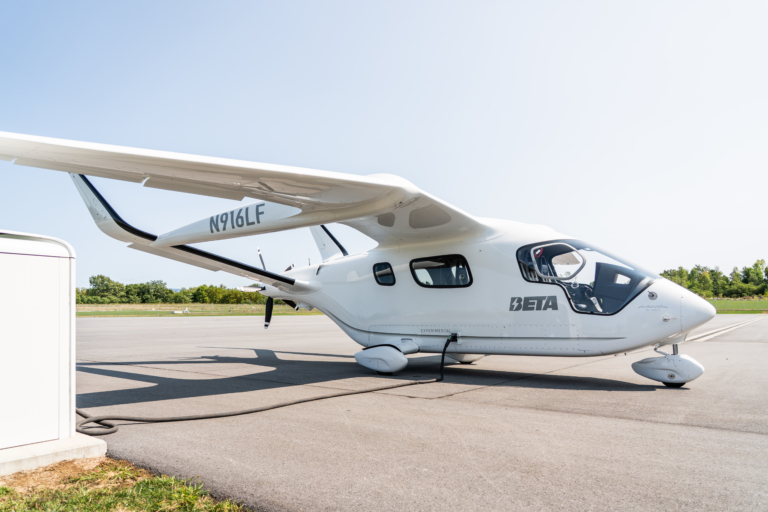
Photo: BETA Technologies
Read more
In partnership with Aerospace Global News, the Official News Partner for Sustainable Skies World Summit 2026, check out the latest sustainability news wrap from the world of aerospace. From sustainable airports to hydrogen innovations, here are the top stories from September 2025.
EU selects ATR to lead low-emission regional aviation projects
ATR, developer of hybrid-electric propulsion technology, has been chosen by the European Union’s Clean Aviation Joint Undertaking to lead a project aimed at shaping the next generation of low-emission regional aircraft.

Photo: ATR
Learn more about the project and their goal of flying the world’s first hybrid-electric regional aircraft by 2030.
Read more
NASA’s MAGEQ Project
MAGEQ is part of NASA’s wider Earth science programme, which relies on coordination between satellites, aircraft, and researchers worldwide.
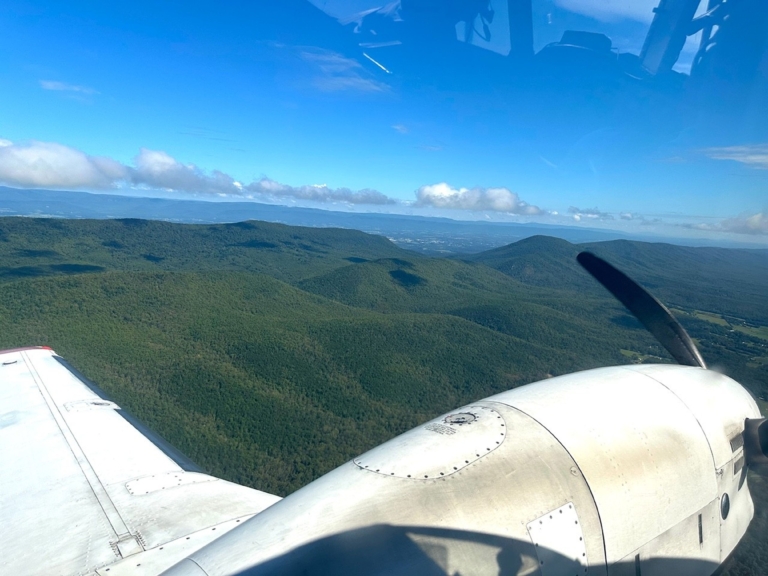
Photo: NASA
Read more about what the project set out to achieve, the different aircraft involved and what data they have uncovered.
What is CFM RISE? Inside GE and Safran’s open fan engine for net-zero aviation
Backed by GE and Safran, the CFM RISE programme is pushing open fan technology to deliver 20% greater fuel efficiency and lower emissions.
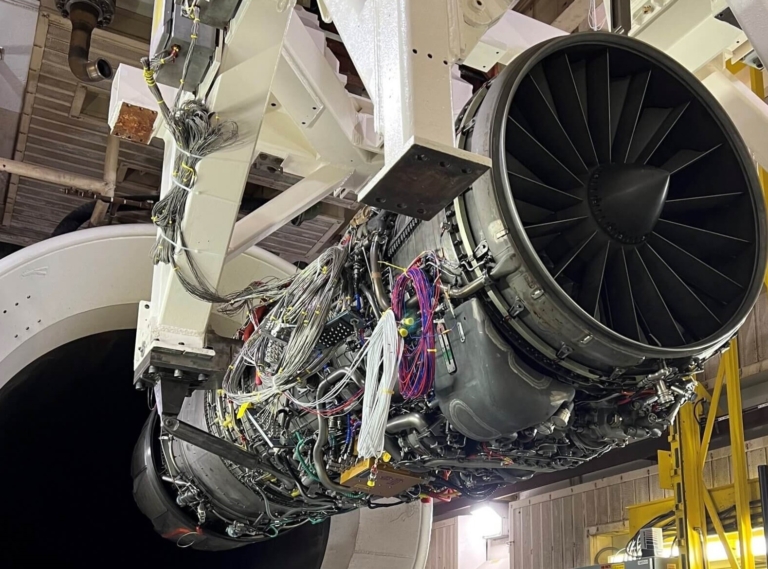
Photo: GE Aerospace
Discover how the programme can offer a range of technological solutions to help the aviation industry reach Net-Zero targets.
Read more
Why contrails could be key to climate neutral growth – for now
With the focus on CO2 emissions typically dominating headlines and industry conversations, the impact of contrails is often overlooked.

Photo: Pexels
Learn more about contrails, including how they are formed, avoidance measures and the overall aviation climate strategy.
Read more
Delta Partners with Maeve Aerospace to advance hybrid regional aircraft
Delta joins Maeve Aerospace to develop the hybrid-electric MAEVE Jet, aiming to cut regional flight fuel use by 40% as part of its net-zero goals.
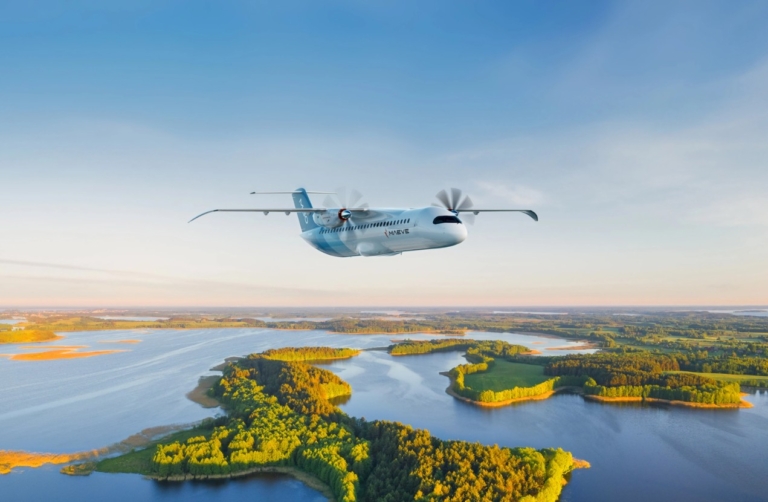
Photo: MAEVE Aerospace
Find out more about this collaboration and example of the next generation of aircraft.
Read more
